At Kawuku-Ssisa in Katabi Town Council, a community well that has served generations of residents tells a story that goes beyond water.It is a story about community, responsibility and the changing meaning of shared resources. Once a place where people gathered not only to draw water but also to interact and support one another, the well now stands beside a large dumping site, surrounded by waste that threatens the very resource the community depends on.
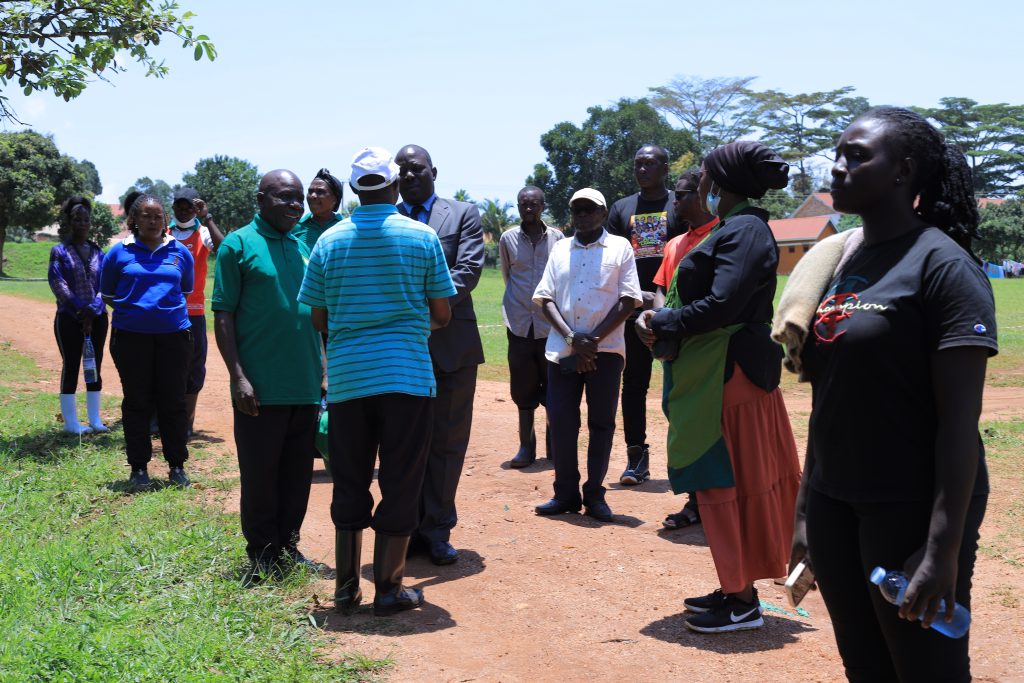
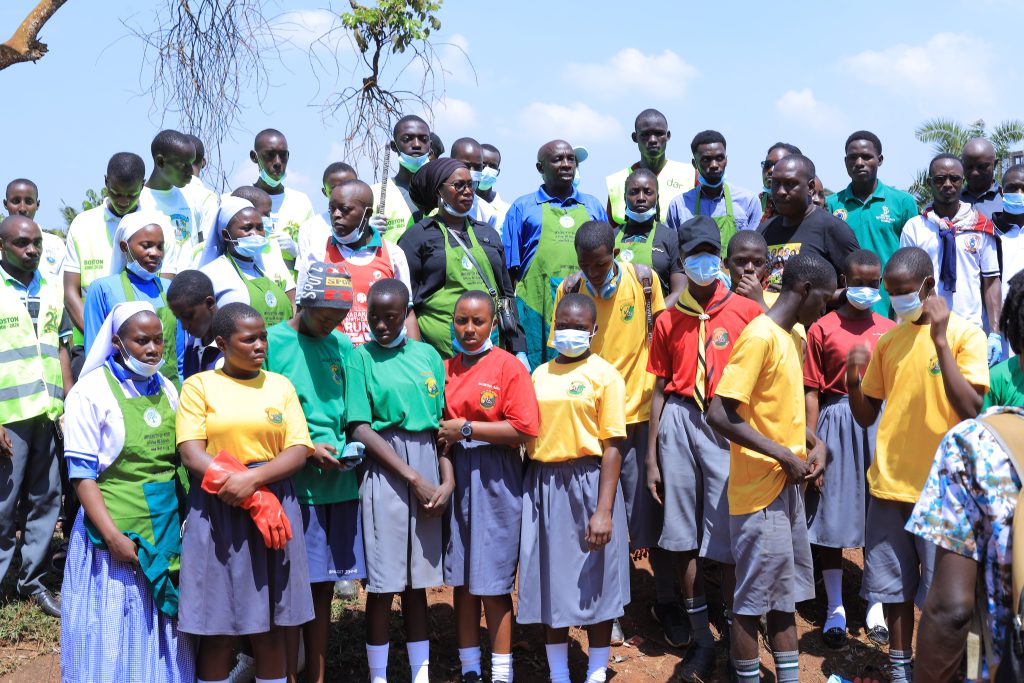
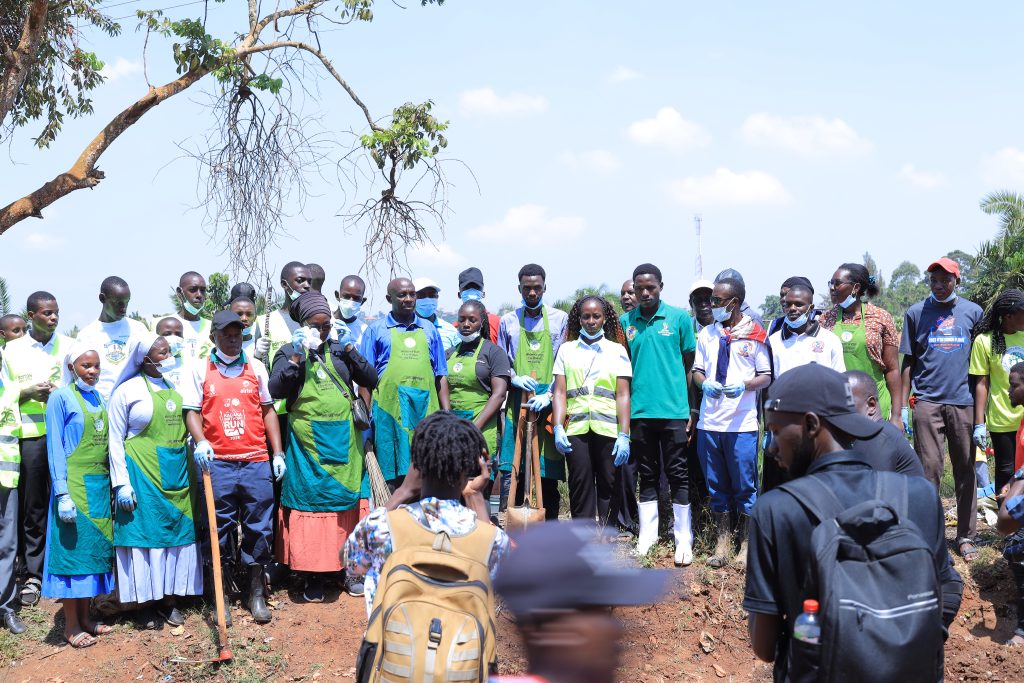
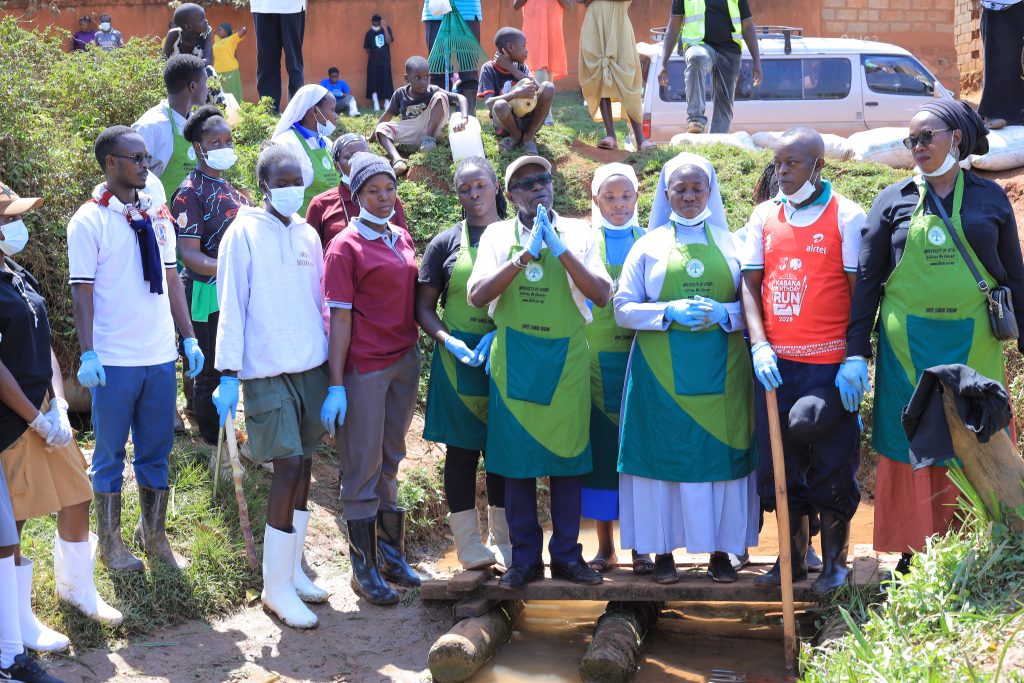
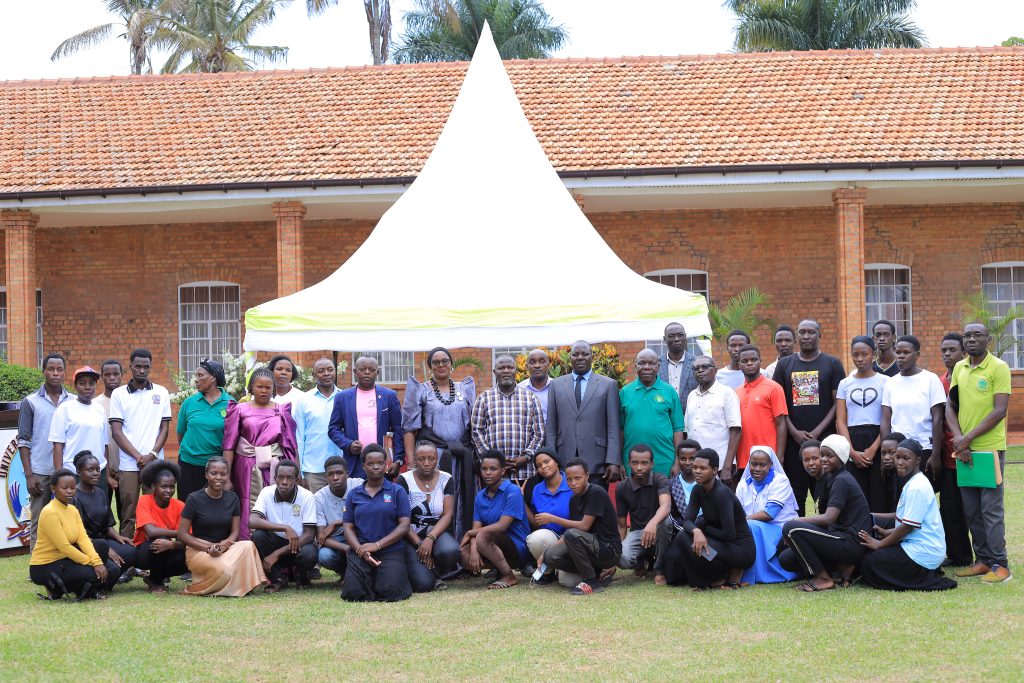
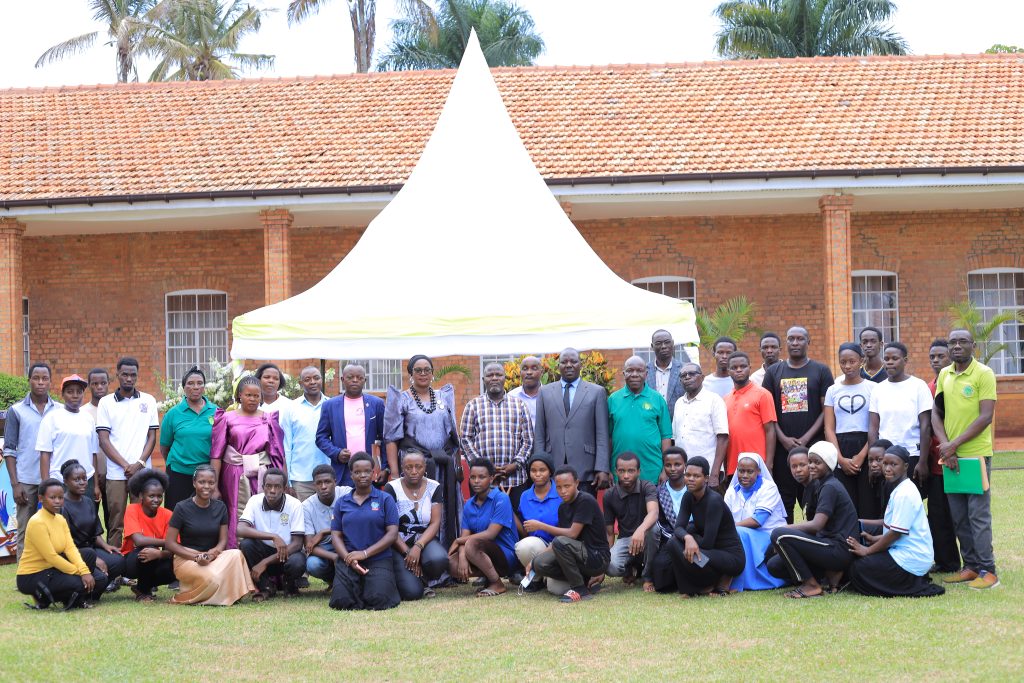
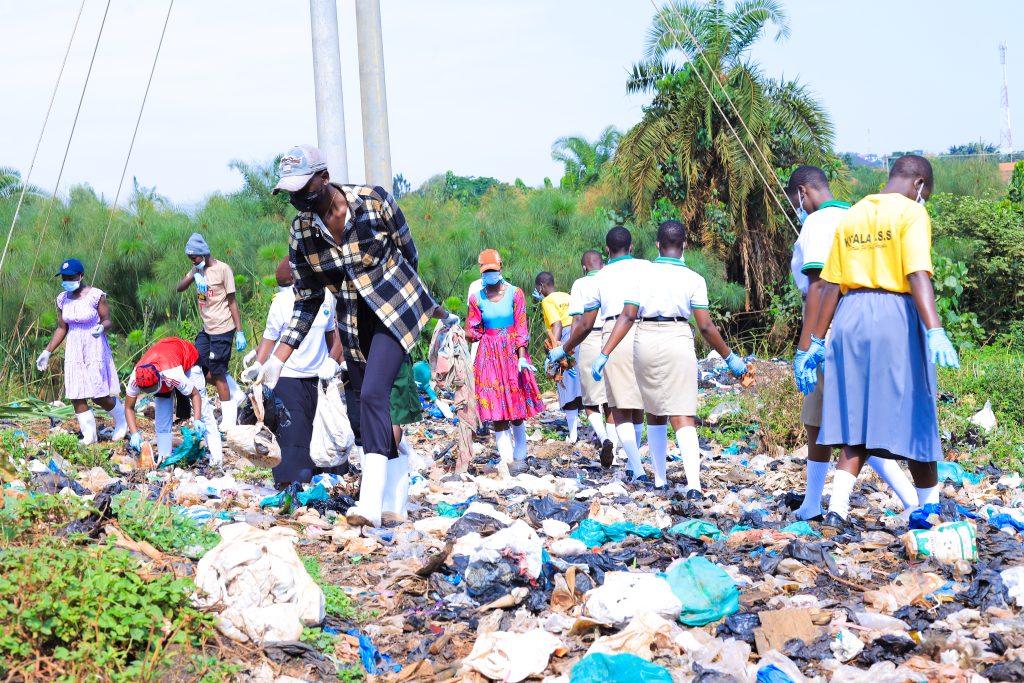
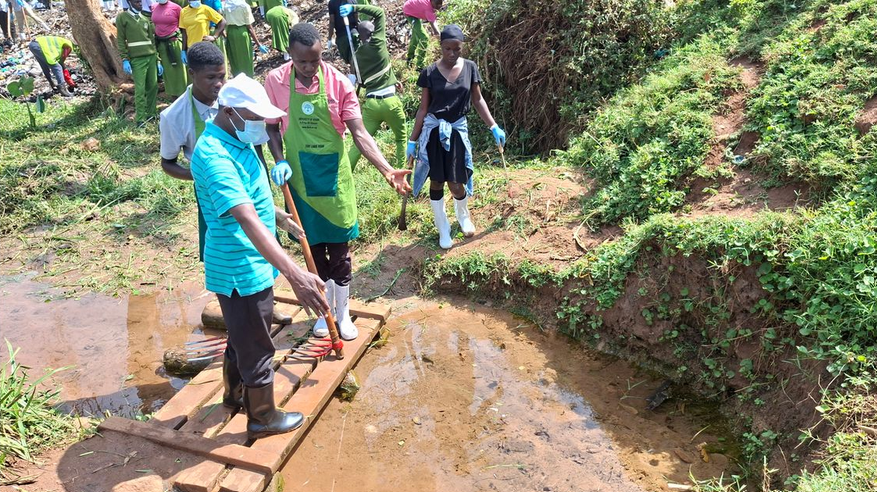
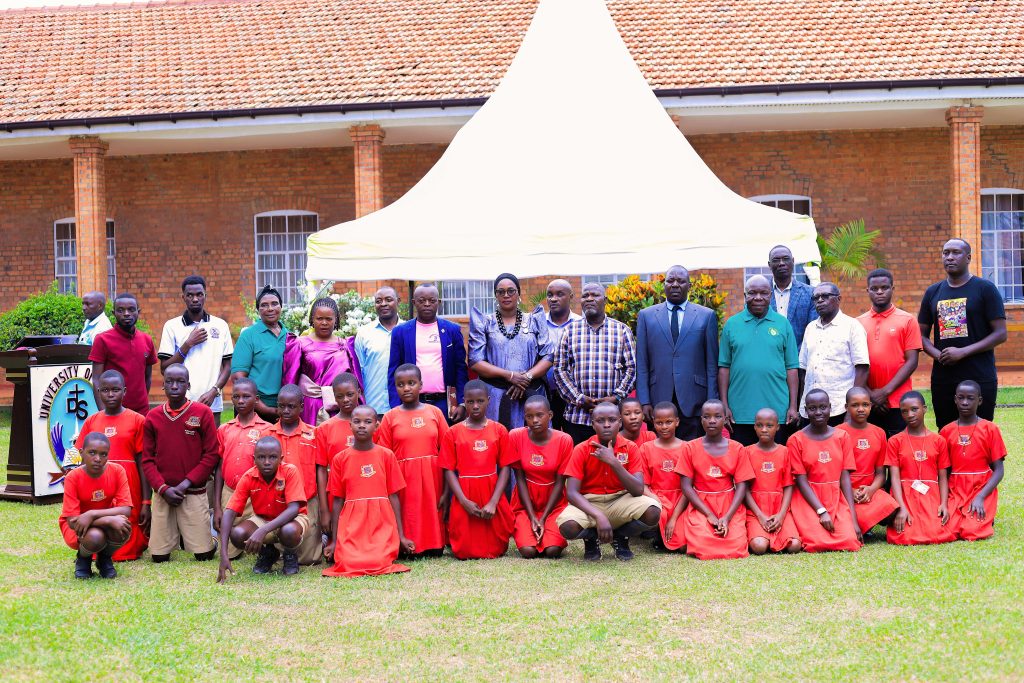
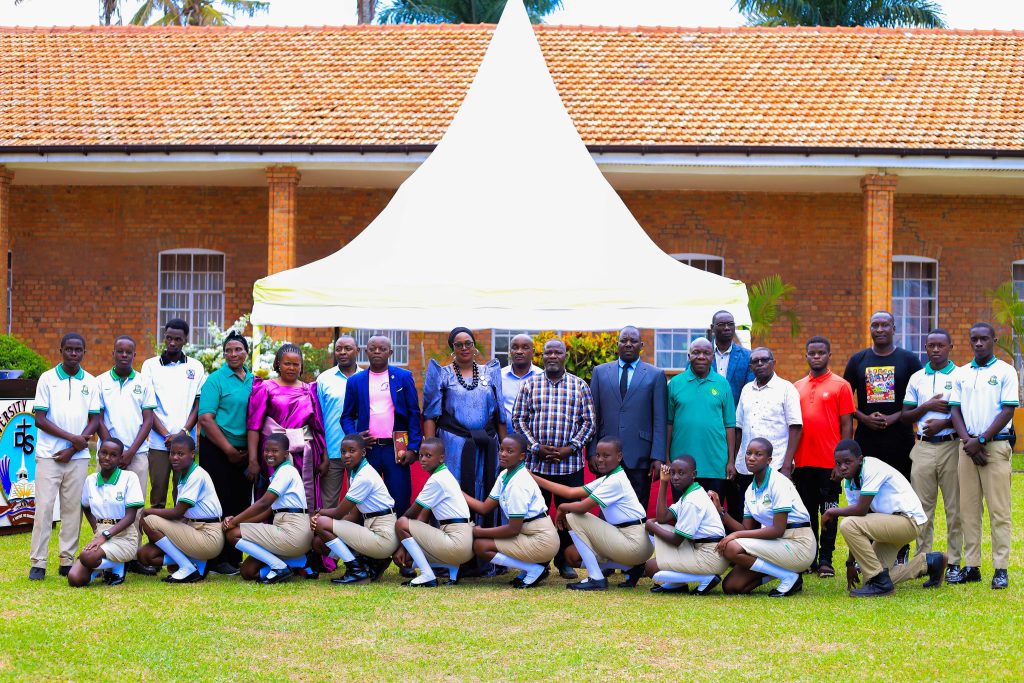
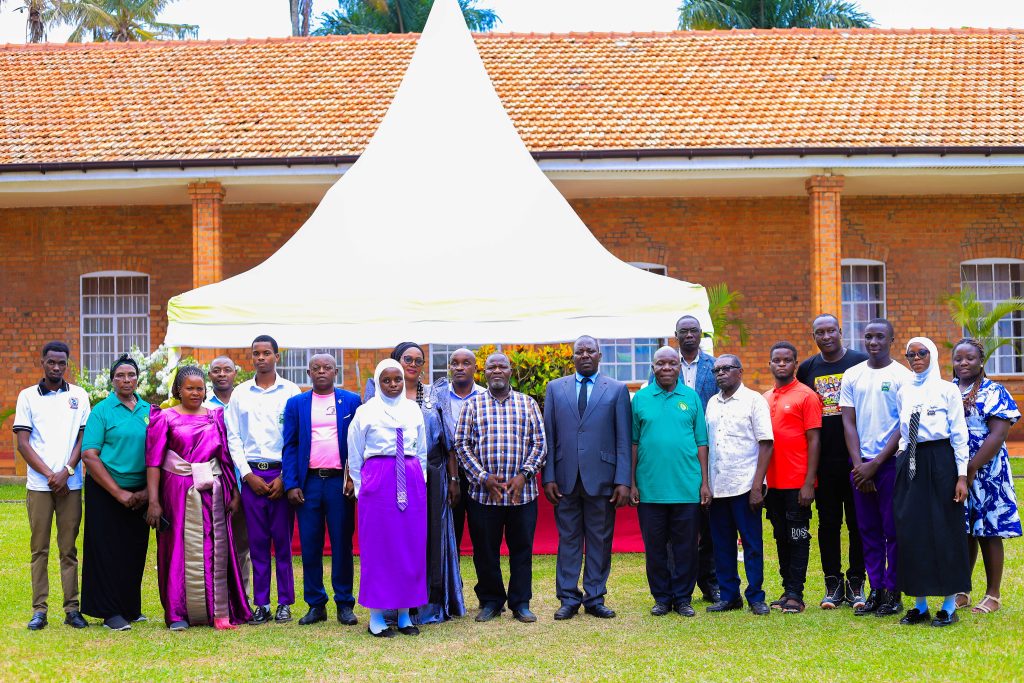
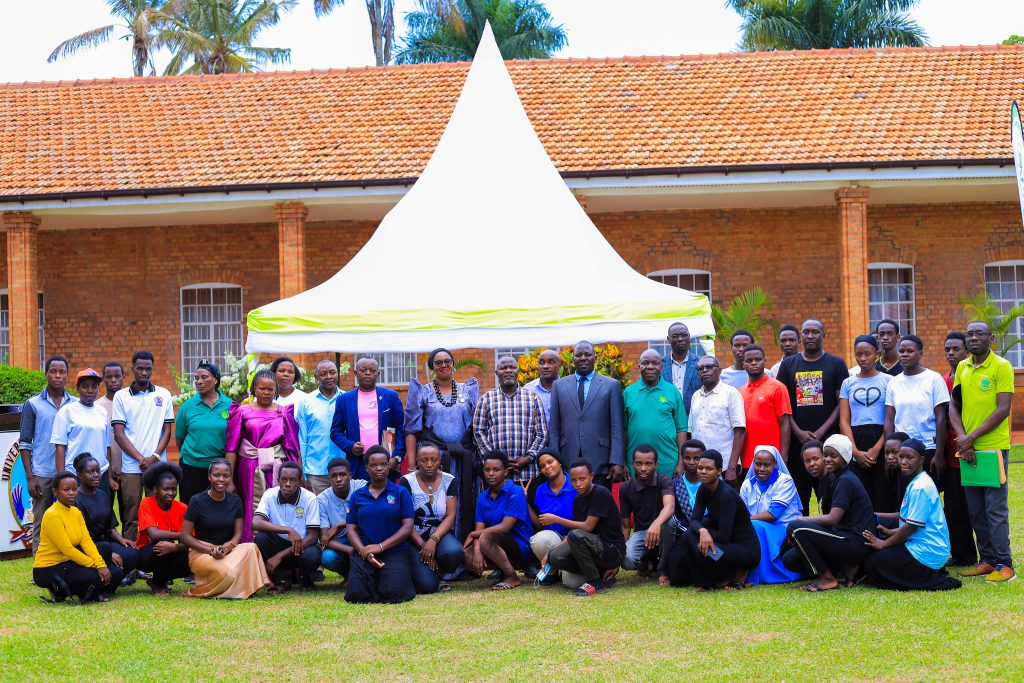
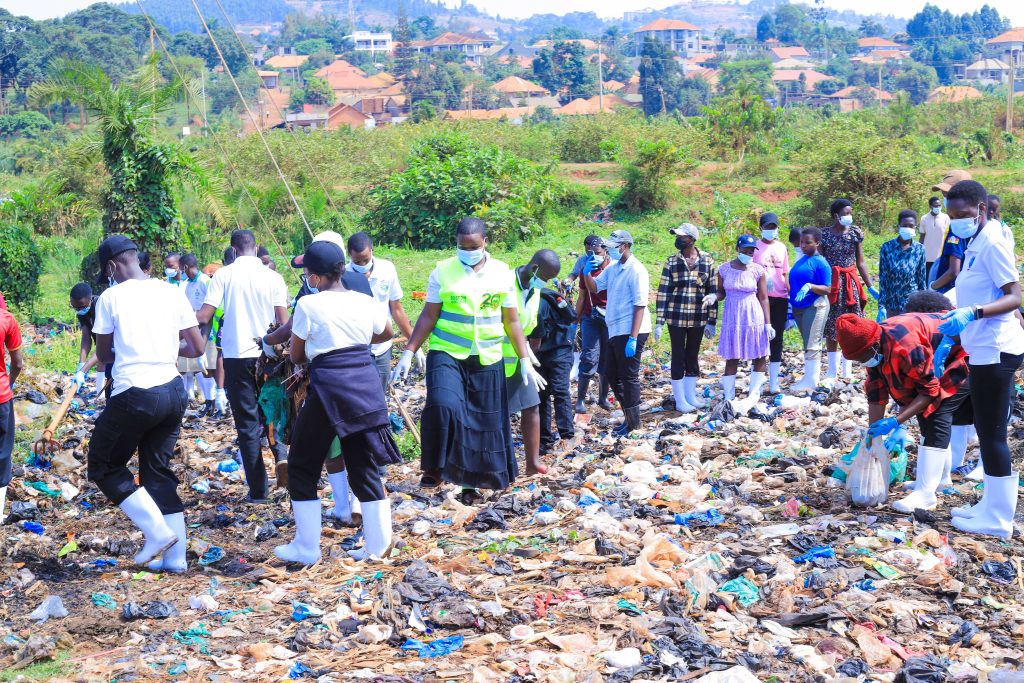
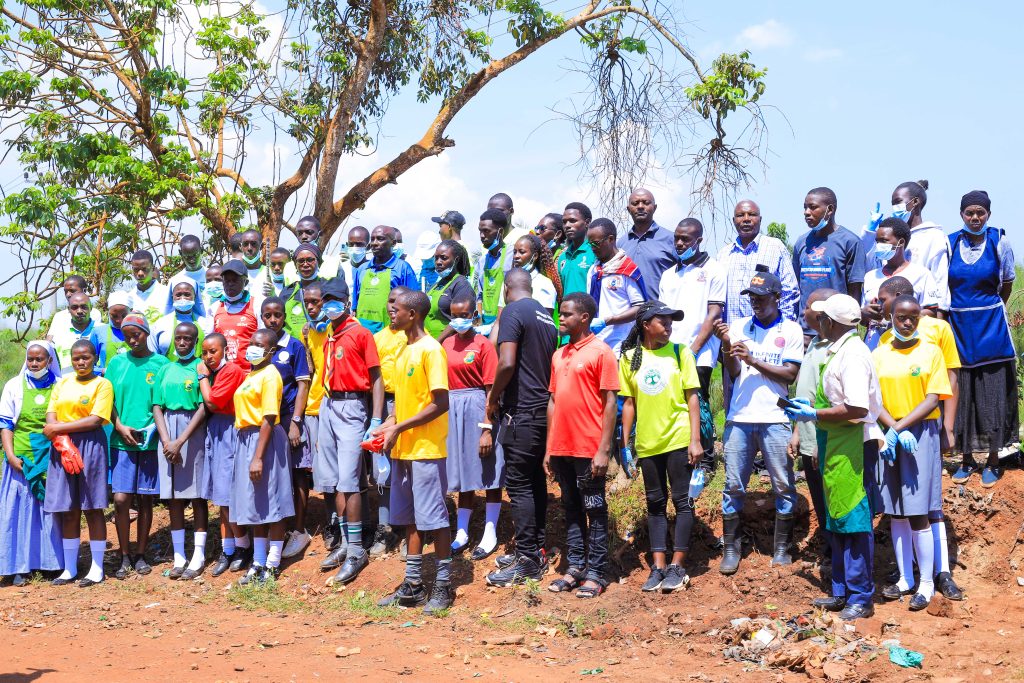
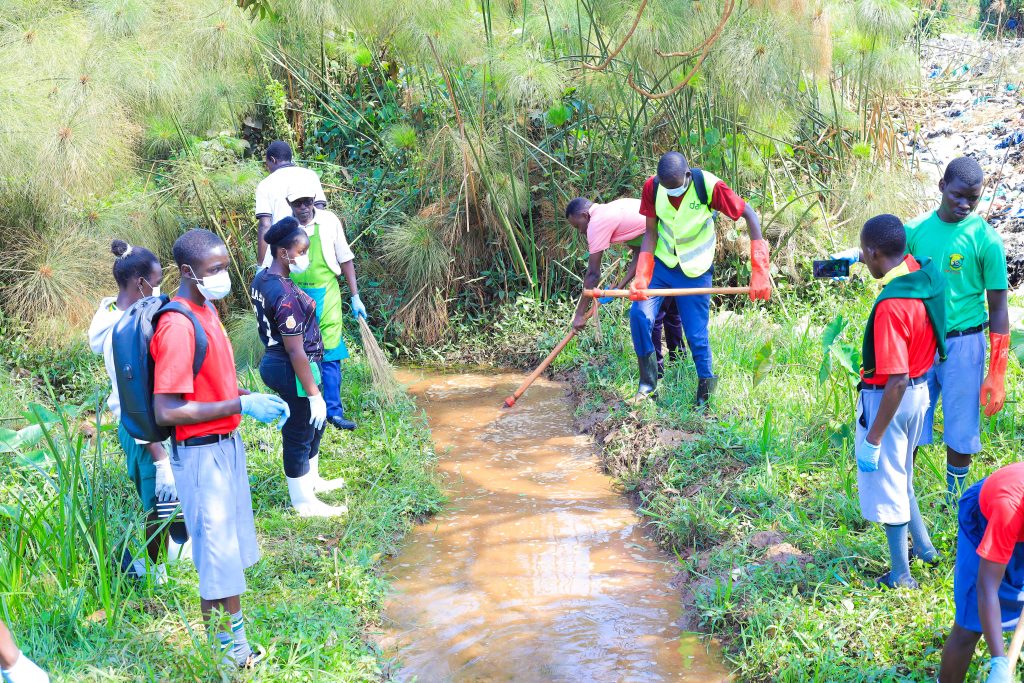
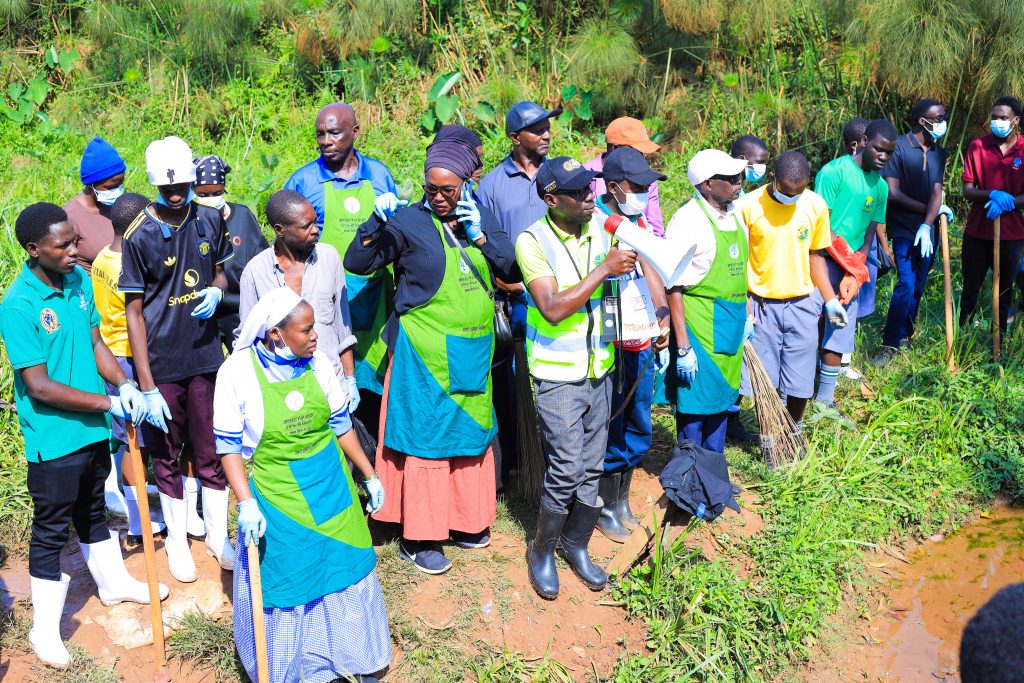
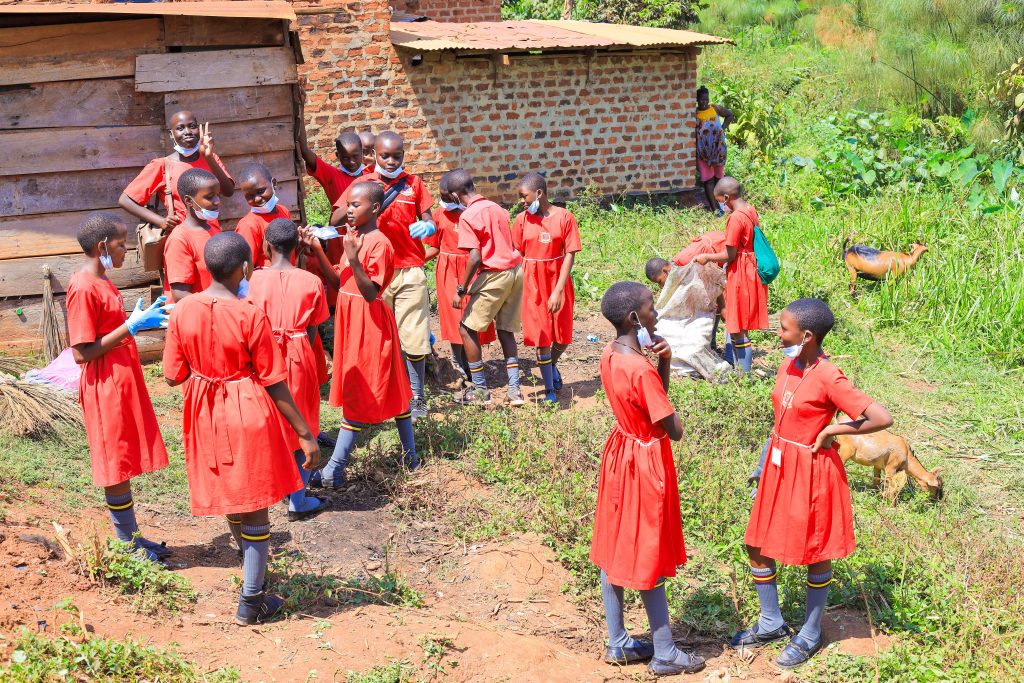
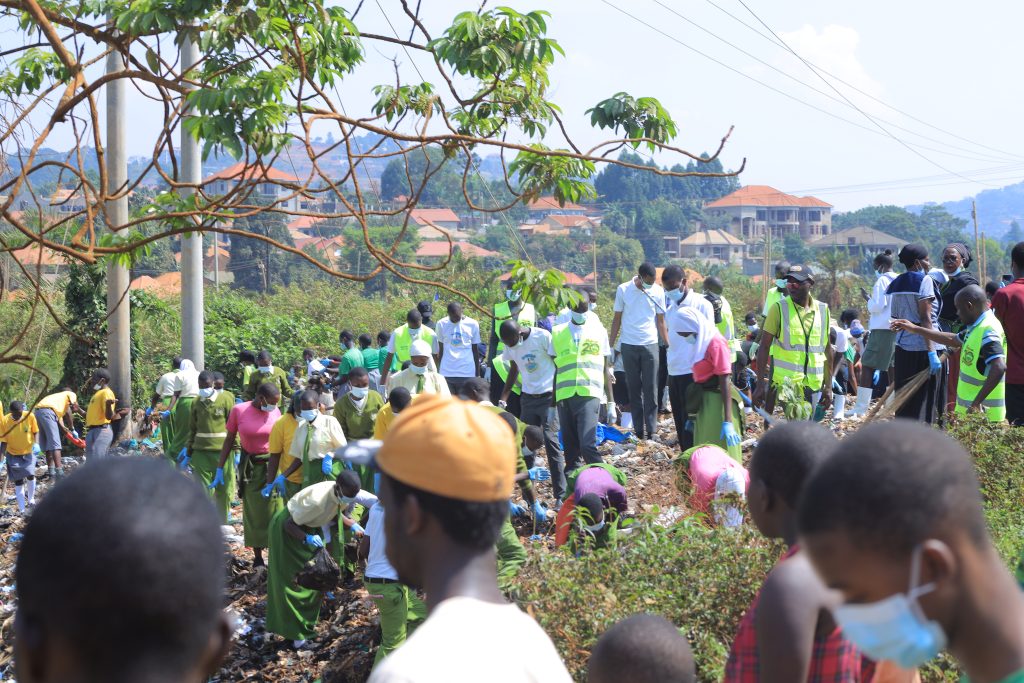
It was this reality that brought together the University of Kisubi, Buganda Kingdom’s BulungiBwansi, Katabi Town Council, local leaders, schools and residents in a community restoration exercise aimed at giving the well a new lease of life while reviving the spirit of collective responsibility. About 300 students and community members from Kawuku Secondary School, Kitala Primary School, Kitala Secondary School, Entebbe Parents School, Boston High School and Mugezi Secondary School joined the exercise, working alongside local leaders and residents to clear waste from the well and its surroundings.
The community well is believed to serve more than 1,500 households, in addition to providing water for animals in the surrounding area. Yet the condition of the environment around it has raised serious concerns about the safety and sustainability of the water source. During the exercise, participants encountered disposable diapers and medical waste, including used syringes and cotton, among the rubbish around the site.
What they found turned a routine community-cleaning activity into a much larger conversation about water, public health, waste management and collective responsibility. For the University of Kisubi, the exercise was also an opportunity to demonstrate what Service-Learning means when knowledge leaves the classroom and encounters the realities of the community.
The University’s Service-Learning approach encourages students to connect what they learn in their academic programmes with real challenges facing society. As University of Kisubi Vice Chancellor Bro Deogratious Mugema observed, the initiative is not simply about cleaning a community facility, but about developing a culture of stewardship and responsibility for the places and resources shared by the community.
The significance of the well goes beyond its physical structure. As Bro Dr Bernard Luwerekera, Service-Learning Coordinator at the University, noted, traditional community wells once played a much wider role in community life. They were places where people met, shared information and supported one another before water increasingly became treated as a commodity. The Kawuku-Ssisa intervention therefore seeks not only to clean a water source but also to recover something of that lost sense of community ownership.
This is where the University’s Service-Learning pedagogy meets Buganda’s BulungiBwansi a tradition built around the idea that communities have a shared responsibility to care for their environment and common resources. Under the theme “Revisiting Traditional Ways for Water Conservation and Access,” the initiative seeks to bring that traditional value into conversation with contemporary approaches to environmental conservation, public health and WASH.
The next phase will move beyond cleaning. Biomedical students from the University of Kisubi will test water samples from the well to establish its quality and identify possible health risks. The University and its partners also intend to work with Katabi Town Council to address the major dumping site beside the well. Once the site has been cleared and resources mobilised, plans are in place to rehabilitate the well, improve its infrastructure and install appropriate piping to make access safer and more sustainable.
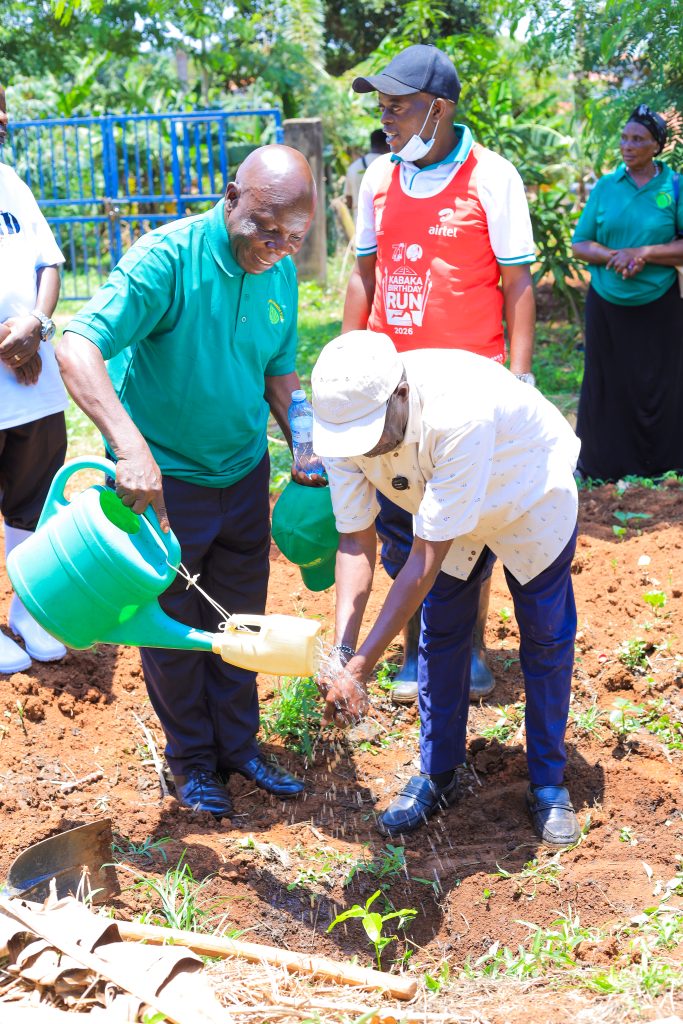
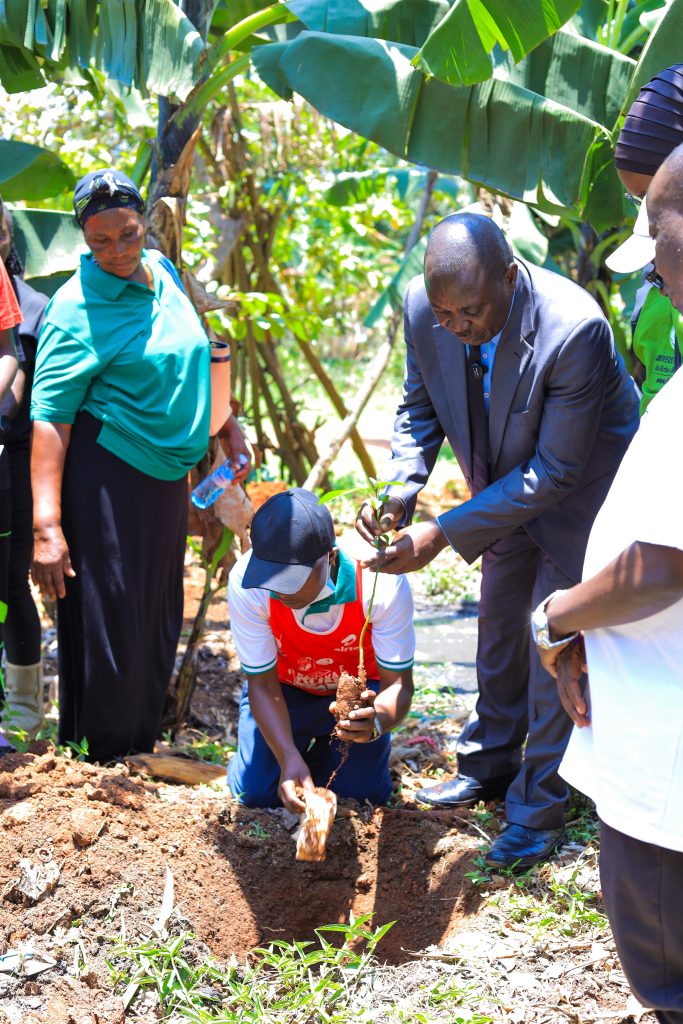
As part of the day’s activities, guests joined students and community members in tree planting, adding a practical environmental conservation component to the restoration exercise. Among those who planted a tree was Eng. Ssekatawa Andrew, who joined other guests in marking the occasion through an act intended to contribute to a greener and healthier community. The tree planting symbolised the wider vision of the initiative: that restoring a community is not only about responding to what has already been damaged, but also about investing in what future generations will inherit.
The project carries a particular significance for the University of Kisubi as a Catholic-founded institution. It resonates with the Catholic tradition of service and care for creation, as well as Pope Leo XIV’s September 2026 prayer intention on the care of water, which highlighted water as a universal gift and a right without borders. The University sees this spiritual foundation as reinforcing the connection between academic formation, service to communities and responsibility for creation.
For students, the experience offered a different kind of classroom. They were not simply learning about environmental degradation, public health or community development from books. They were standing beside a real water source, seeing the consequences of poor waste disposal and working alongside the people who depend on it. That is the heart of Service-Learning: learning with communities while contributing to solutions. The Kawuku-Ssisa experience also demonstrated that community service does not have to be separated from academic learning. A health student can begin to understand the implications of contaminated water. An environmental student can examine waste management practices. A development-oriented student can observe community mobilisation. A student of education can see how schools can become partners in addressing community challenges.