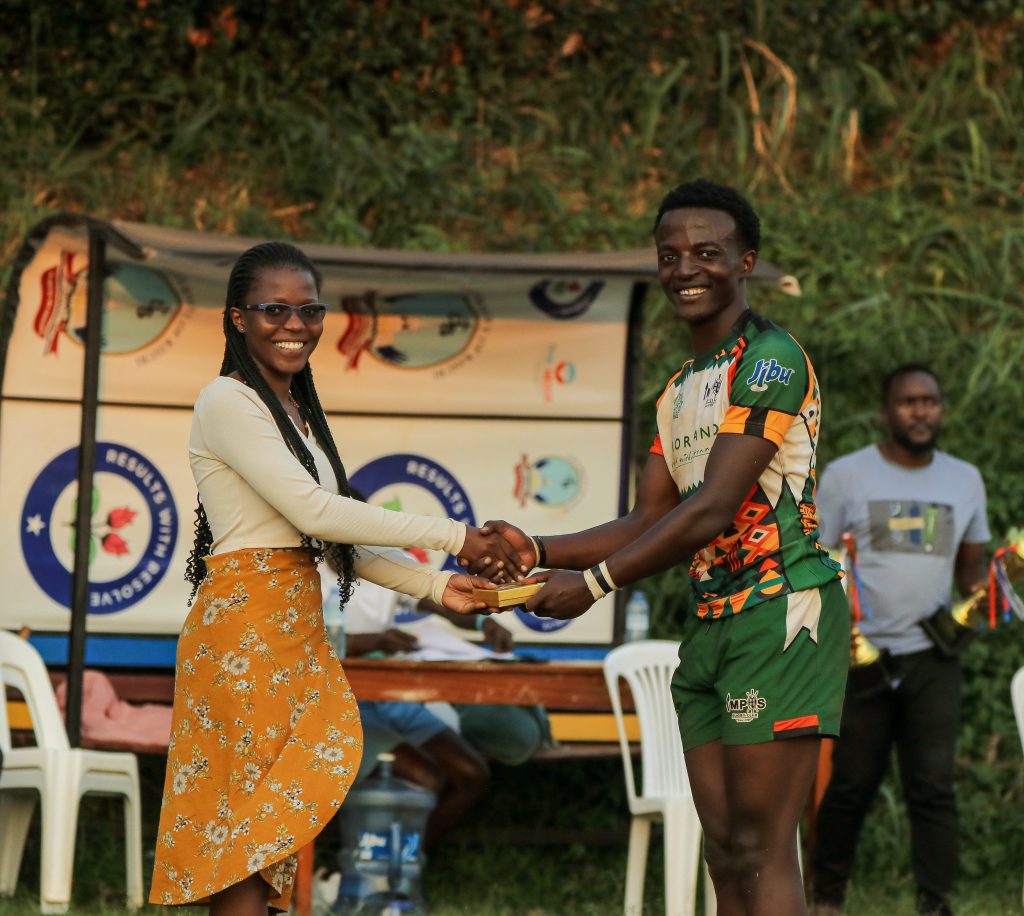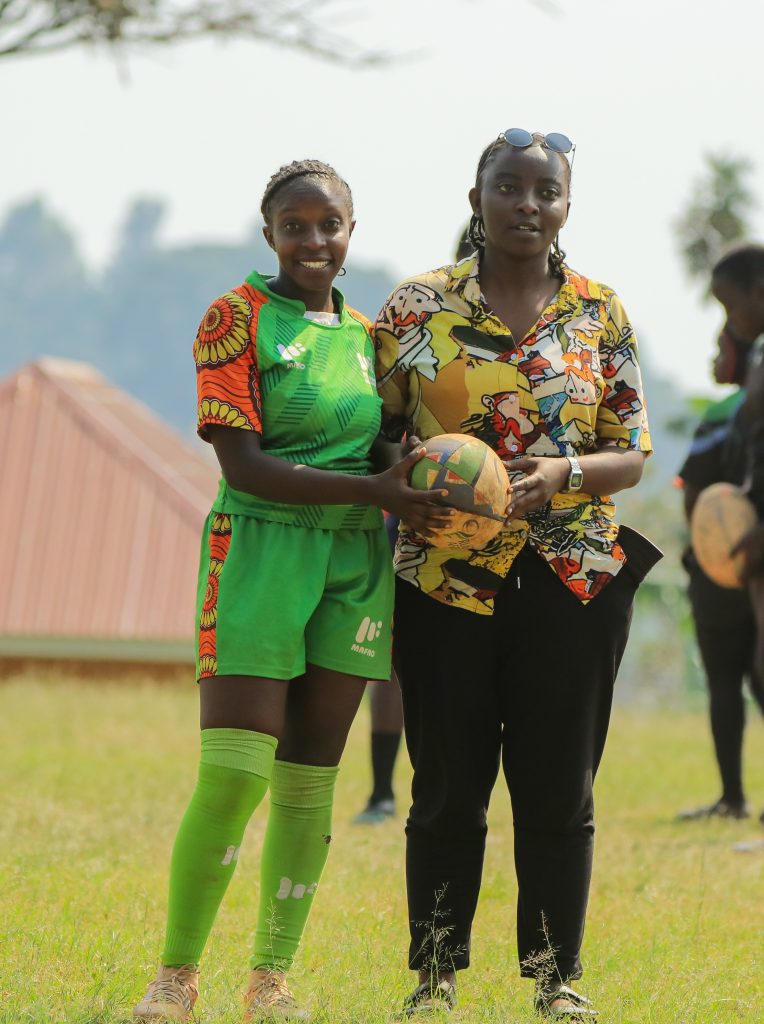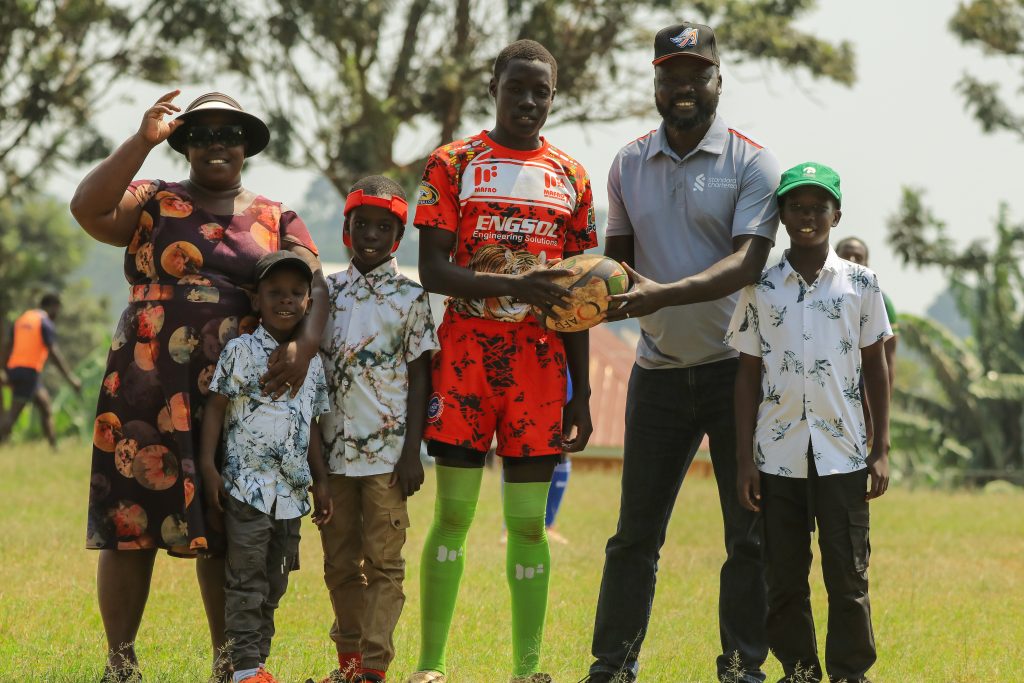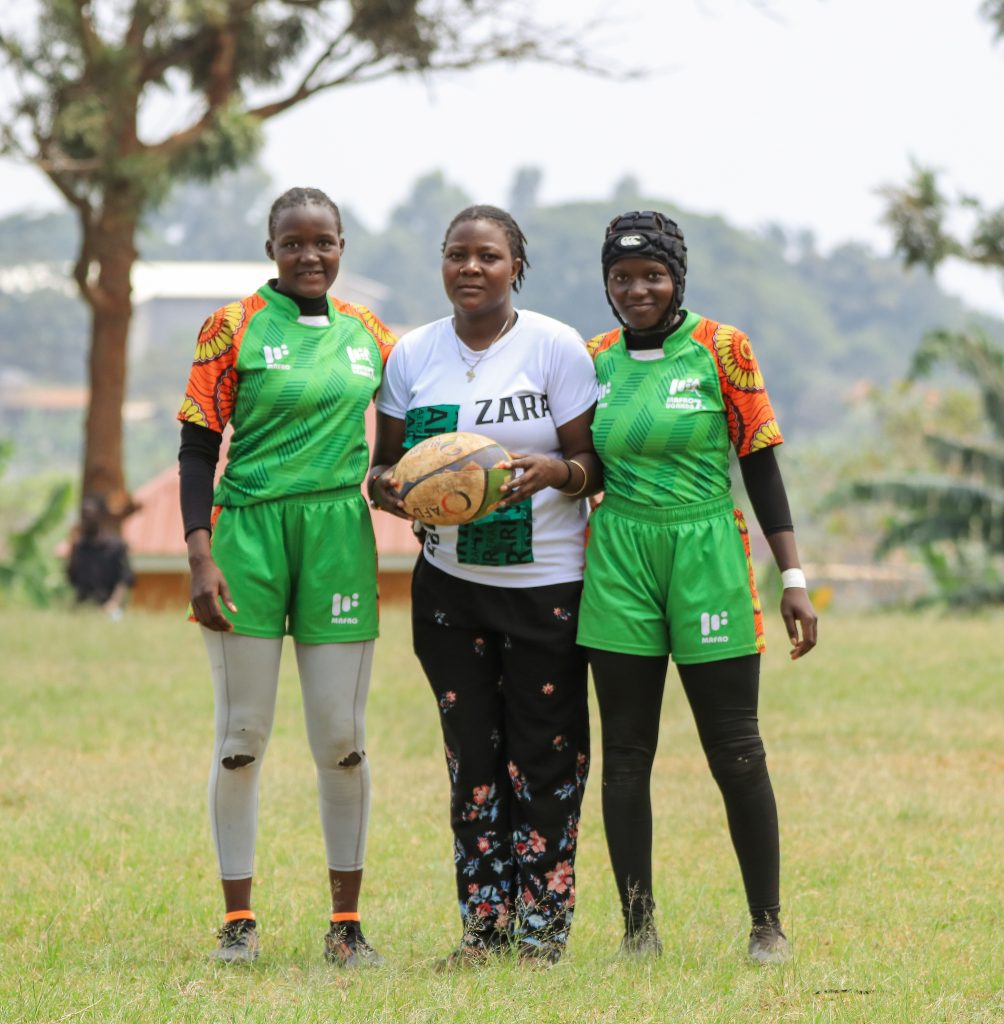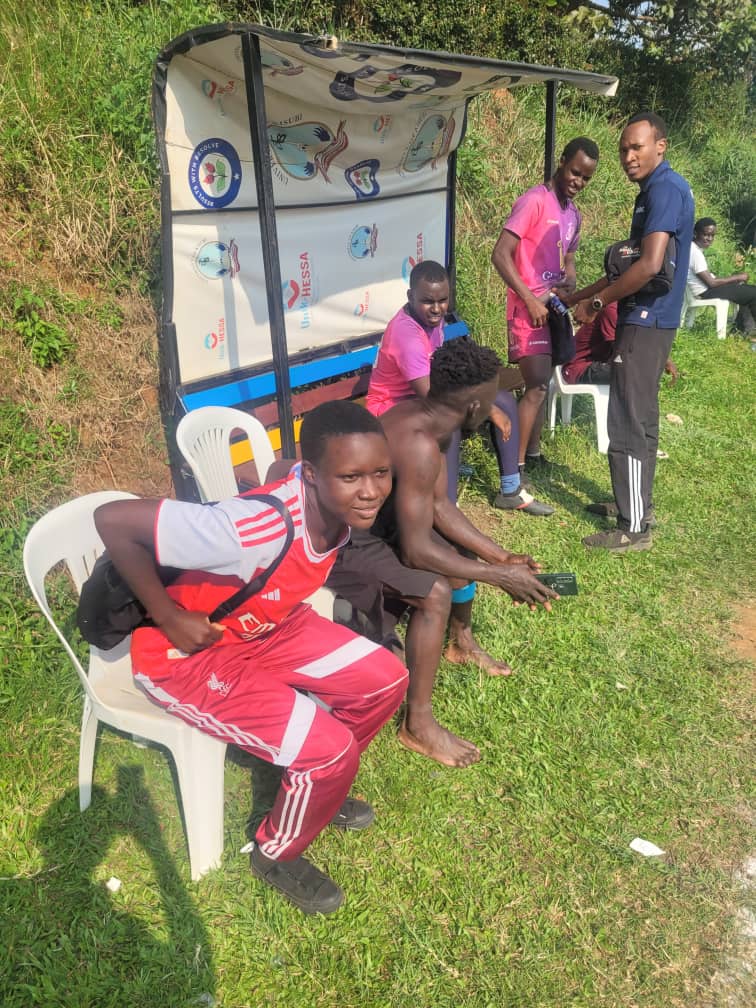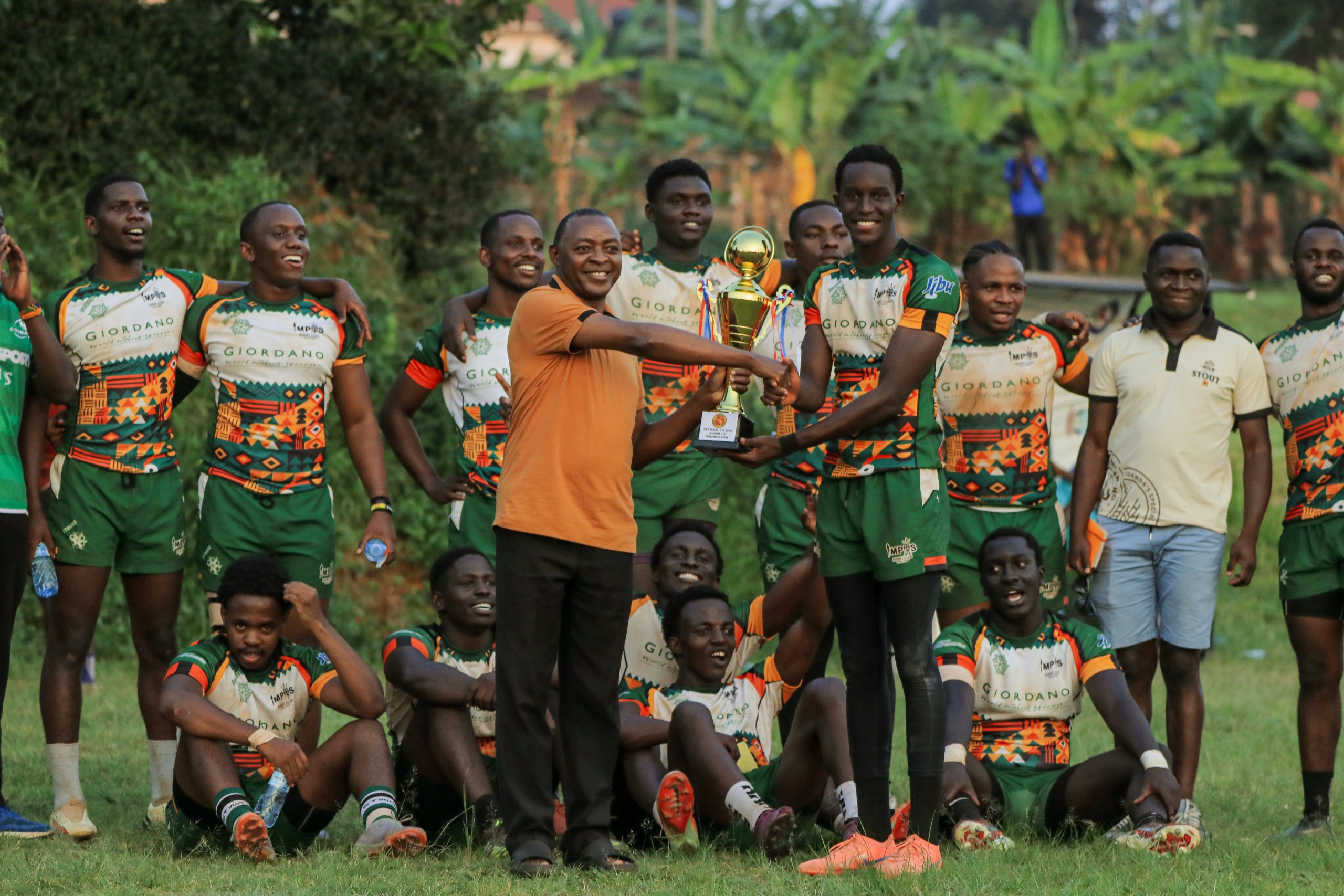
The second round of the Central 7s Series at the University of Kisubi offered more than exciting rugby. It provided a practical demonstration of how Service Learning can connect University Education with real Community needs.
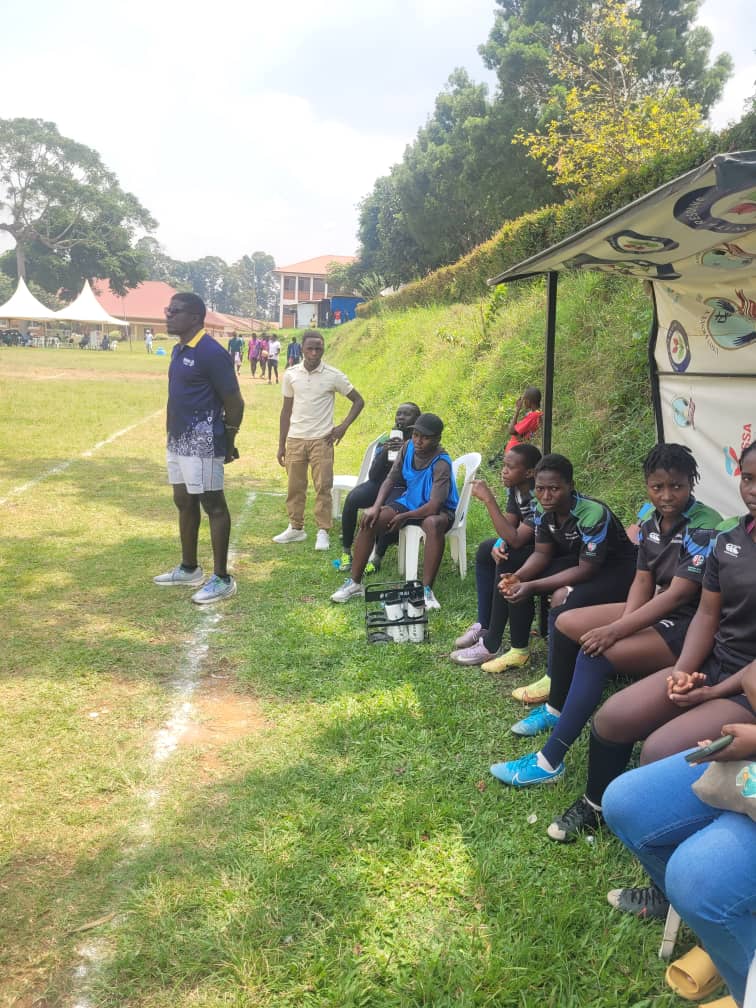
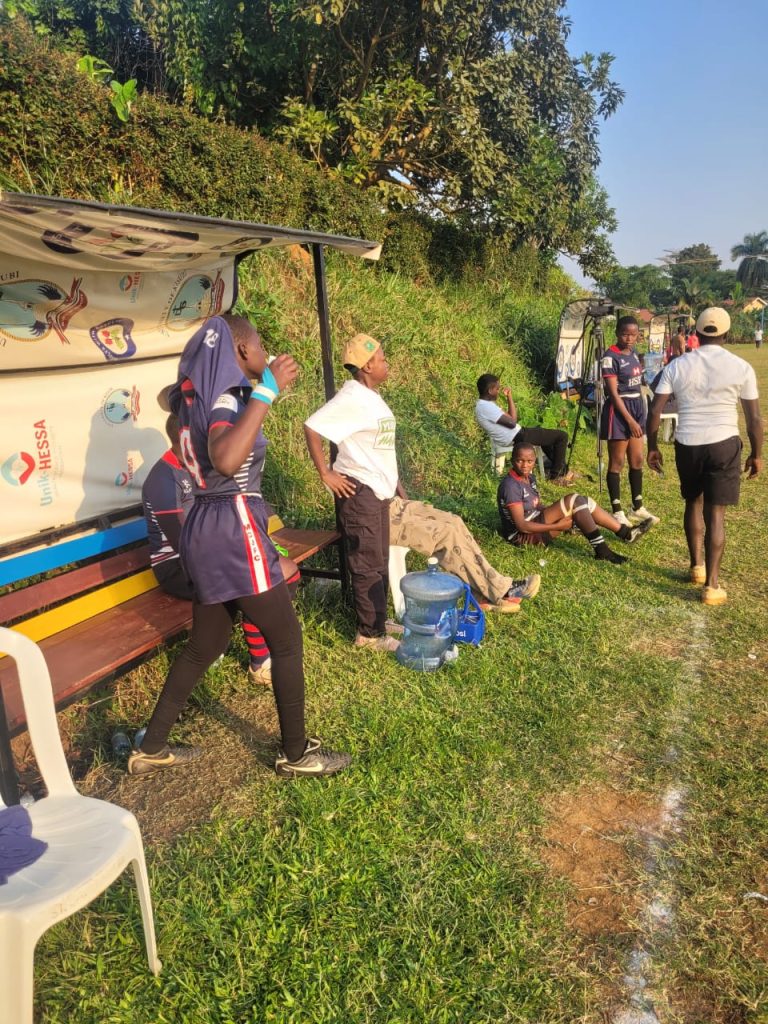
Hosted by Kisubi Pacers RFC a community Rugby Club based at University of Kisubi under the theme “Community Partnerships,” the Kisubi 7s brought together eight men’s and four women’s teams. Through the University of Kisubi’s Service Learning Programme, the tournament also became a learning environment for student nurses, who provided medical support to participating teams.
From classroom knowledge to the rugby pitch
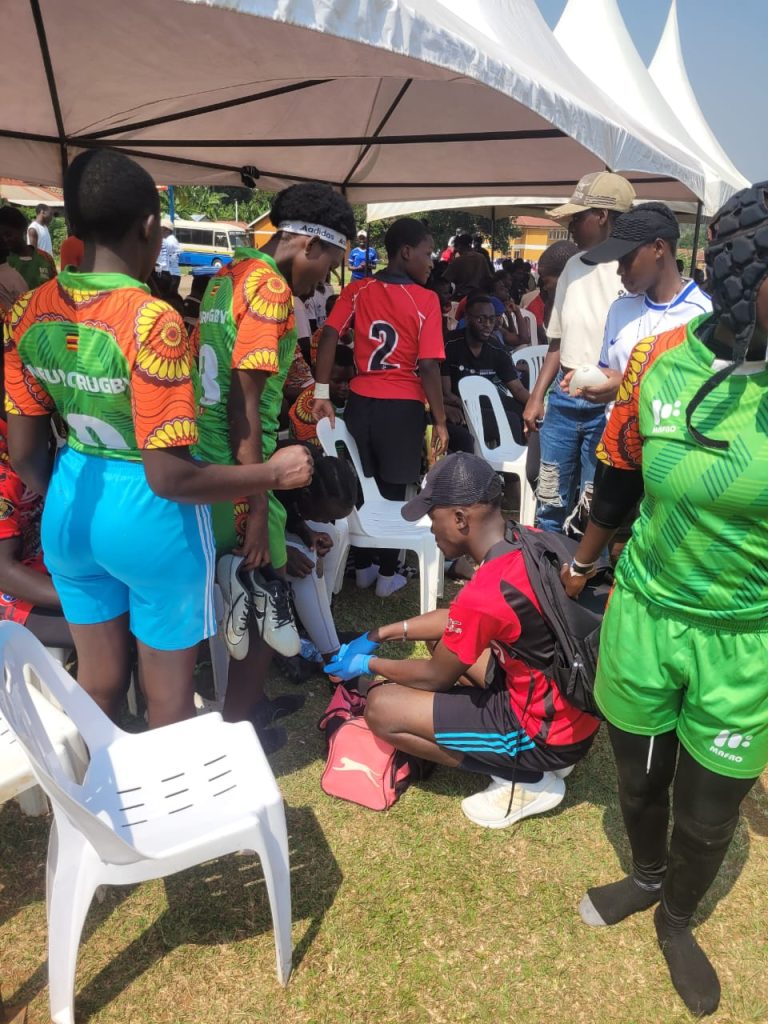
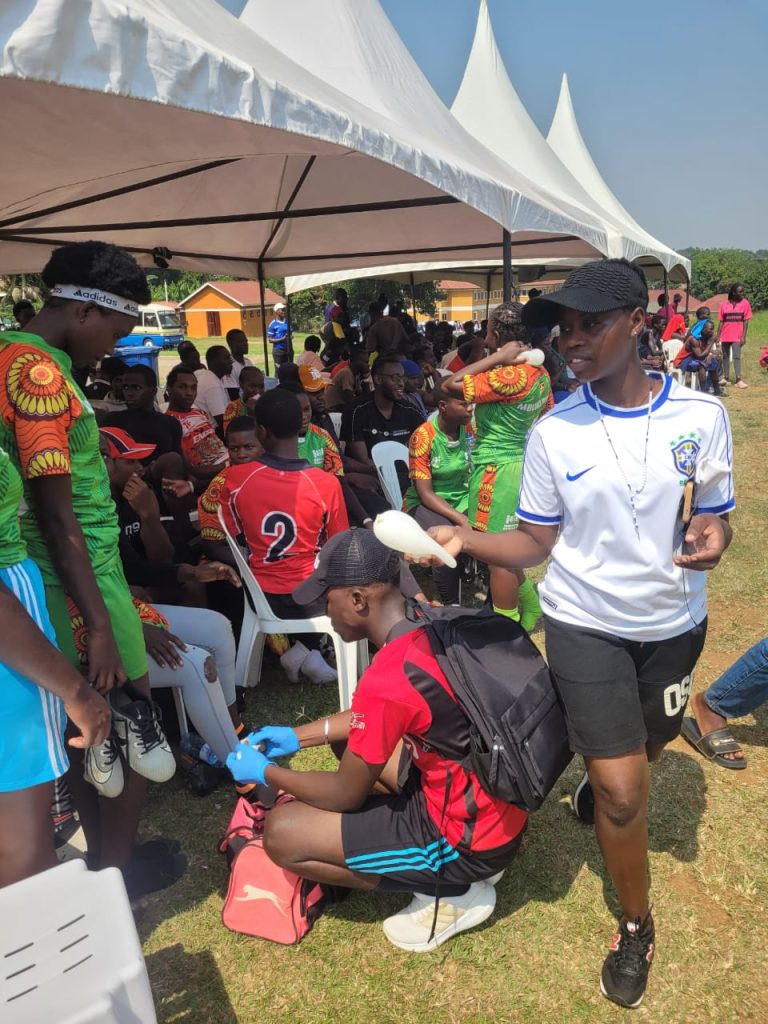
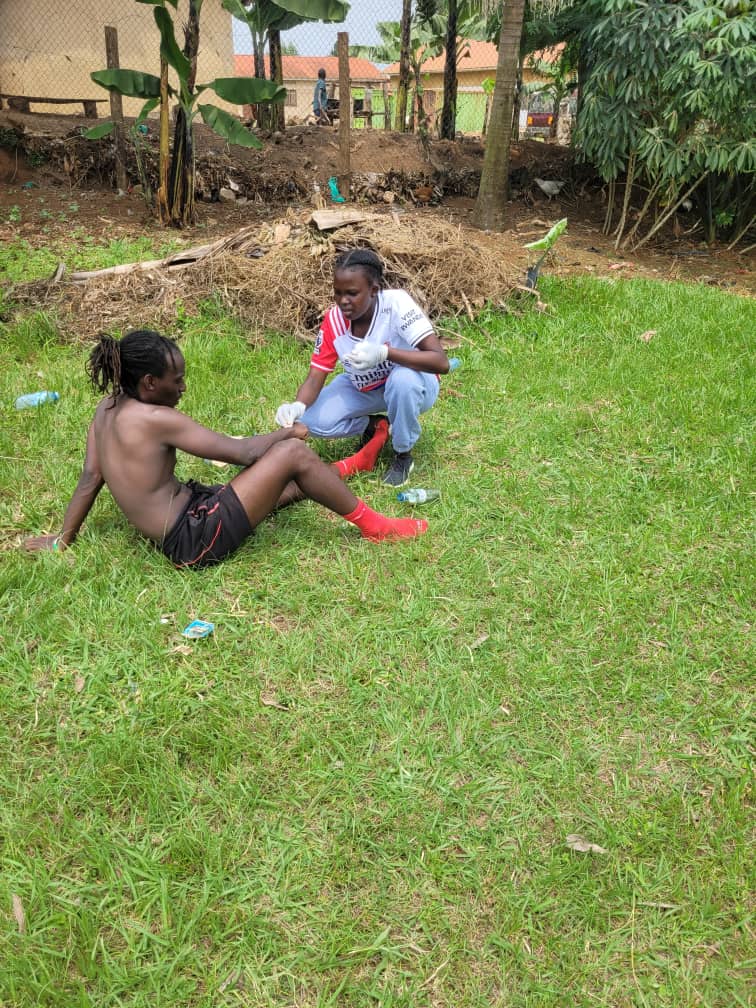
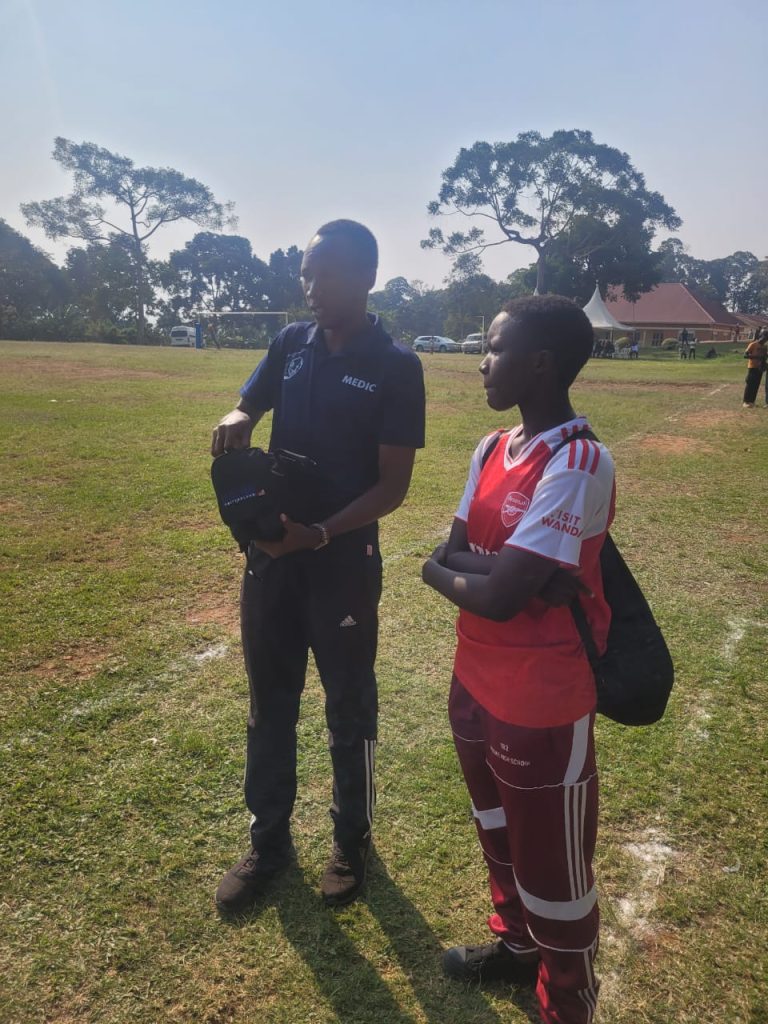
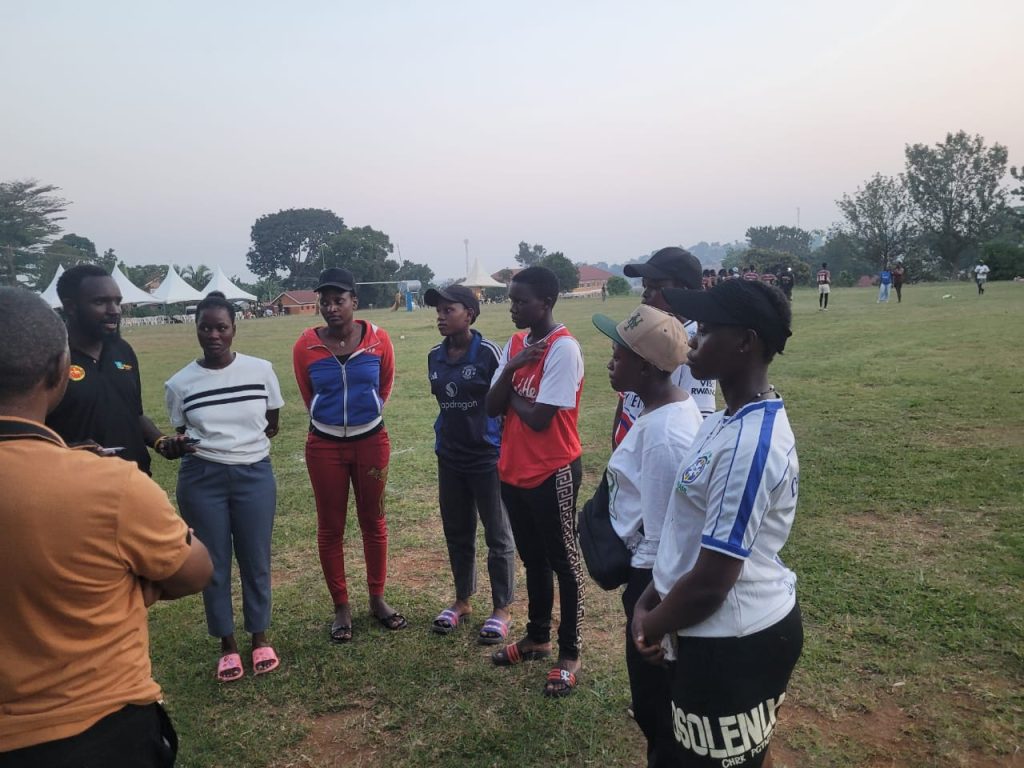
Each participating team was paired with a University of Kisubi student nurse who worked alongside the team’s medical personnel throughout the tournament. The students supported the teams in attending to players and responding to medical needs during matches.
For the participating teams, the partnership strengthened their medical support and ensured that additional trained personnel were available on the pitch. For the student nurses, it was an opportunity to move beyond the classroom and apply their knowledge in a dynamic sporting environment.
This is at the heart of Service Learning: students learn by serving, while communities benefit from the knowledge and skills within the University.
The Kisubi 7s therefore became a living classroom where nursing students encountered situations that could not be fully replicated through lectures or laboratory sessions. Working alongside team medics allowed them to experience the demands of sports-related first aid, teamwork, communication and quick decision-making.
Community partnerships that create mutual value
The partnership demonstrated that Service Learning does not have to be confined to traditional community outreach activities. A rugby tournament can equally become a platform for learning, professional development and community service when the right partnerships are created.
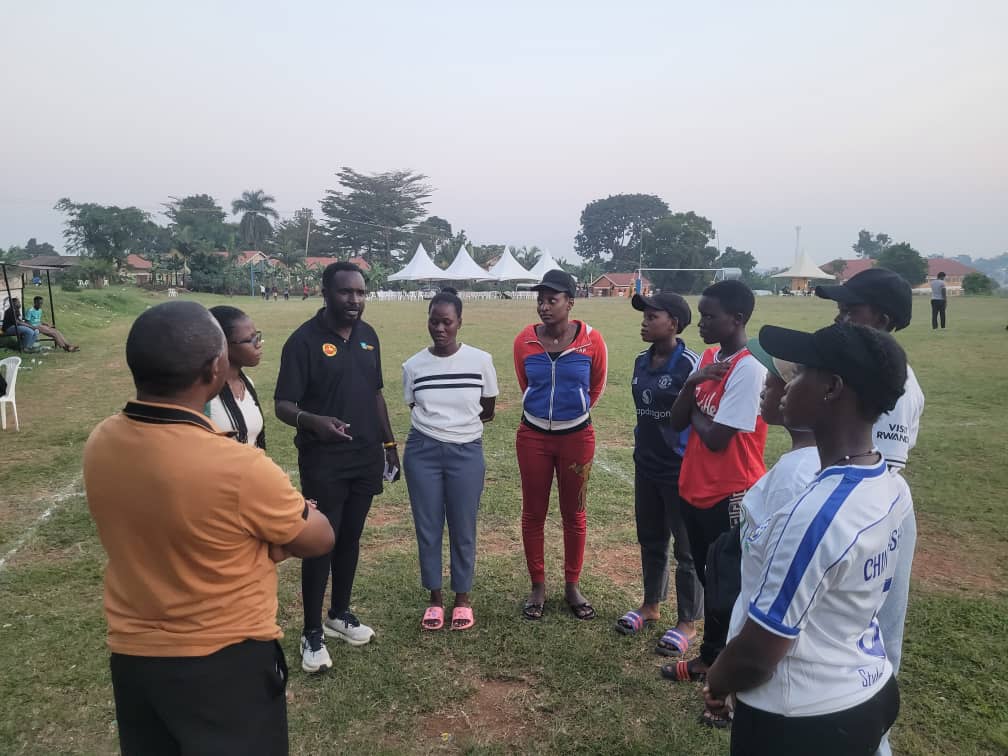
Regional Development Officer Mr. Asiimwe Keith commended the student nurses for their contribution to the tournament.
“The student nurses have done a good medical job supporting the teams at the tournaments, and I would like to interest them in taking World Rugby First Aid courses.”
His remarks challenged the students to see the experience not as a one-day volunteer activity, but as the beginning of a possible professional interest in rugby and sports medicine.
Students reflect and look ahead
The experience also encouraged reflection among the student nurse volunteers—an important component of Service Learning.
Following the tournament, the students expressed interest in pursuing the World Rugby First Aid (FAIR) course, with the ambition of developing the competencies required to become qualified Rugby Level 1 medics.
Their response illustrates the value of experiential learning. What began as an opportunity to serve at a rugby tournament opened a pathway for students to identify new areas of professional interest and consider how their nursing skills can be applied beyond conventional healthcare settings.
An engaged University in action
The Service Learning component of the Kisubi 7s reflects the University of Kisubi’s commitment to being an engaged university one that learns with and serves alongside its community.
The initiative brought together nursing students, rugby clubs, team medics, athletes and university staff around a shared purpose. Rather than separating learning from community engagement, the tournament demonstrated how the two can reinforce each other.
The University was represented by Br. Dr. Bernard Luwerekera, Coordinator of the Service Learning Programme; Mr. Kimuli Julius, 14th Guild President; and Ms. Namirimo Daisy, President of the Service Learning Club. The initiative was coordinated by Mr. Senteza Charles.
The Kisubi 7s may have been decided on the rugby pitch, but one of its most important victories happened beyond the scoreboard: students gained experience, rugby teams received additional support, and the community benefited from the University’s knowledge and skills.