
The University of Kisubi continues to demonstrate its commitment to holistic, community-responsive Education through an impactful service-learning initiative titled “Serving to Learn: A Student Journey into Community and Primary Health Care.” This project, embedded within the Nursing and Midwifery curriculum under the Competence-Based Education and Training (CBET) framework, provides first-year students with an opportunity to bridge classroom knowledge with real-world community health experiences.
Bringing Learning to Life
Conducted during Semester Two, the project focuses on Primary Health Care and Community-Based Health Care, two foundational course units that require students to engage directly with communities. The aim is simple but powerful: to expose students to real health challenges while equipping them with practical skills, empathy, and a deeper understanding of their role as future healthcare professionals.
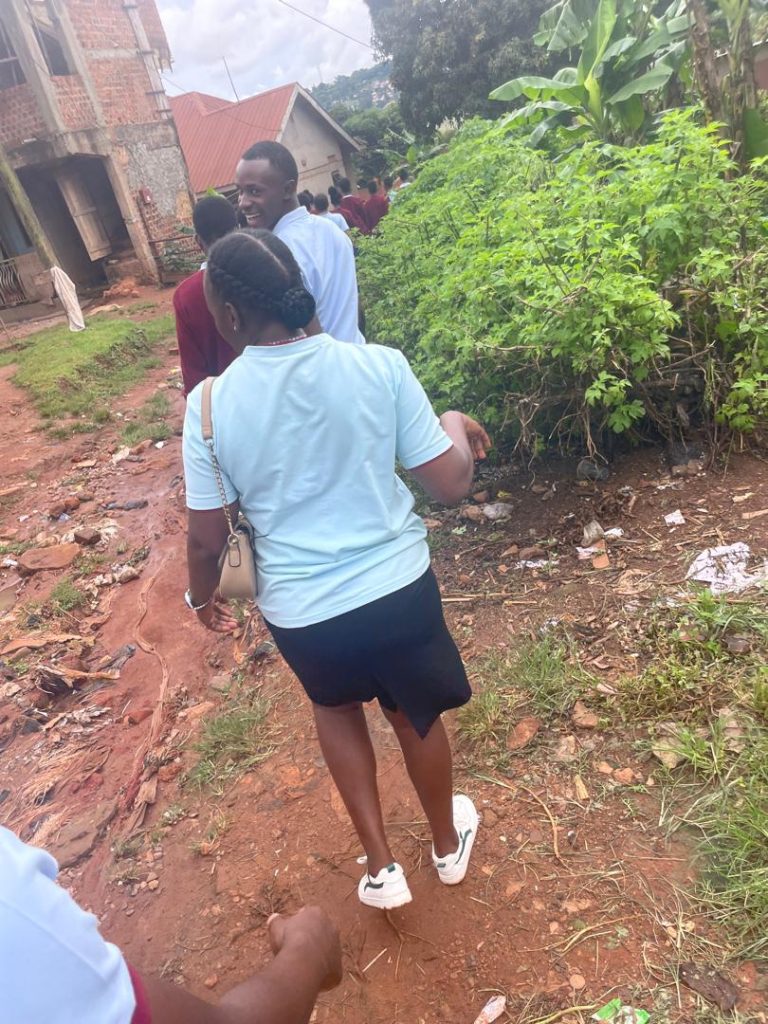
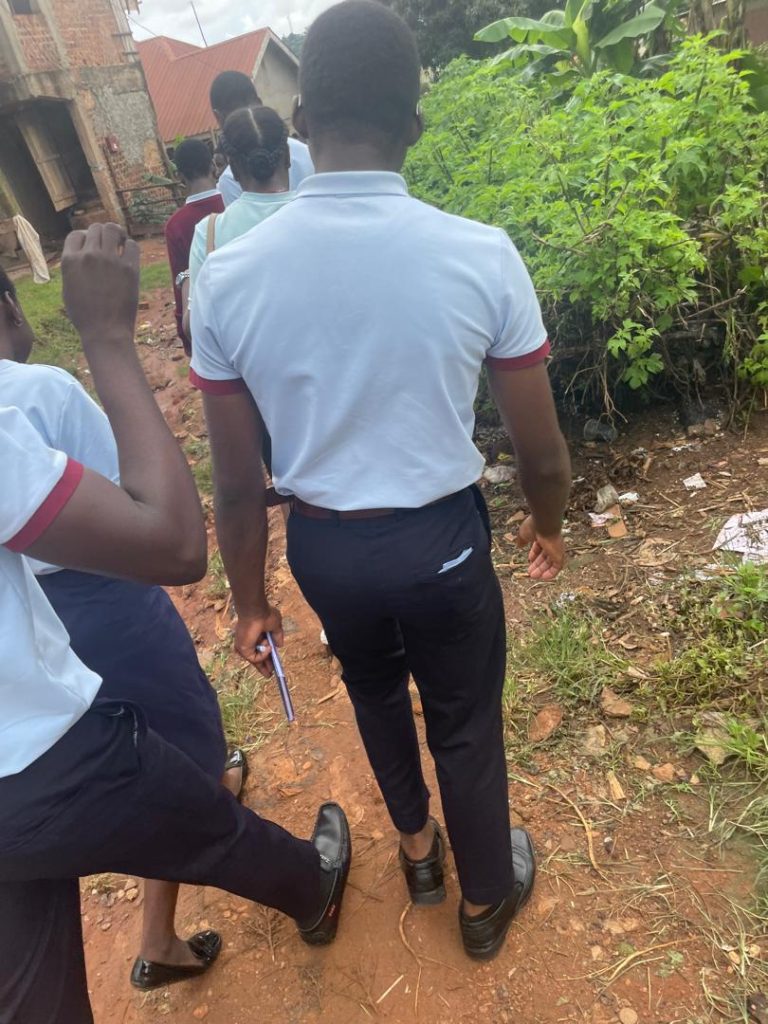
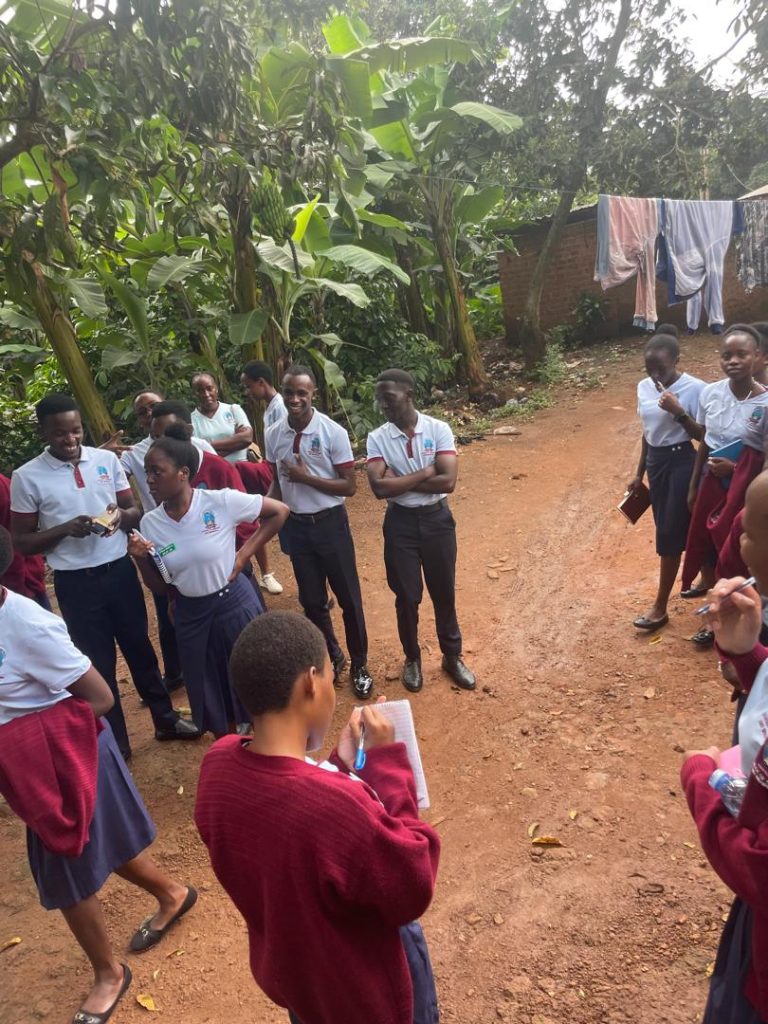
In Busambaga Village, Katabi Town Council, students stepped beyond lecture rooms into homes, schools, and public spaces. Through structured community entry, they engaged local leaders, Village Health Teams, and health facility staff, building trust and laying the groundwork for meaningful interaction. This process alone became a critical learning experience, teaching students the importance of respect, communication, and collaboration in healthcare delivery.
Understanding Community Health Needs
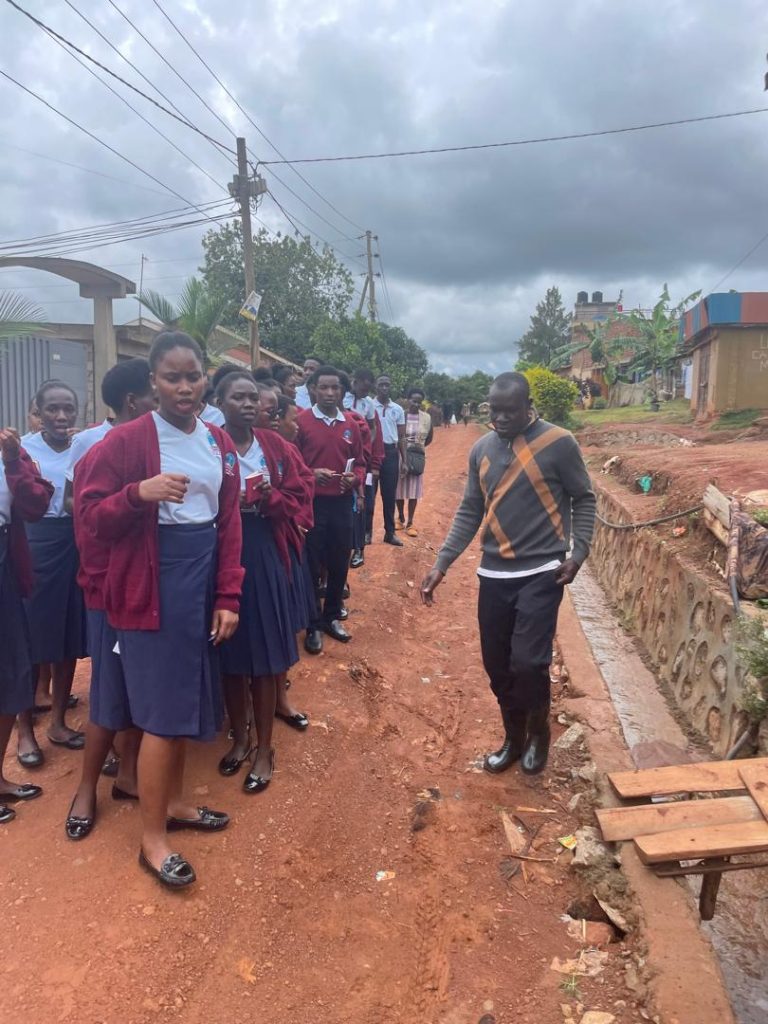
The project began with a diagnosis phase where students conducted community assessments using observation, interviews, and simple surveys. They identified key health challenges including poor waste disposal practices, limited hygiene awareness, inadequate sanitation systems, and gaps in school health services.
One major issue discovered was the difficulty many residents faced in accessing organized waste collection services. Although a private waste collector existed, the associated fees were unaffordable for many households, leading to indiscriminate dumping of garbage in streets and drainage channels. This contributed to blocked trenches, stagnant water, and increased health risks.
Students also observed limited use of drying racks for utensils, poor hand hygiene practices, and insufficient health awareness, particularly in areas such as menstrual hygiene and substance abuse among young people.
Taking Action in Solidarity
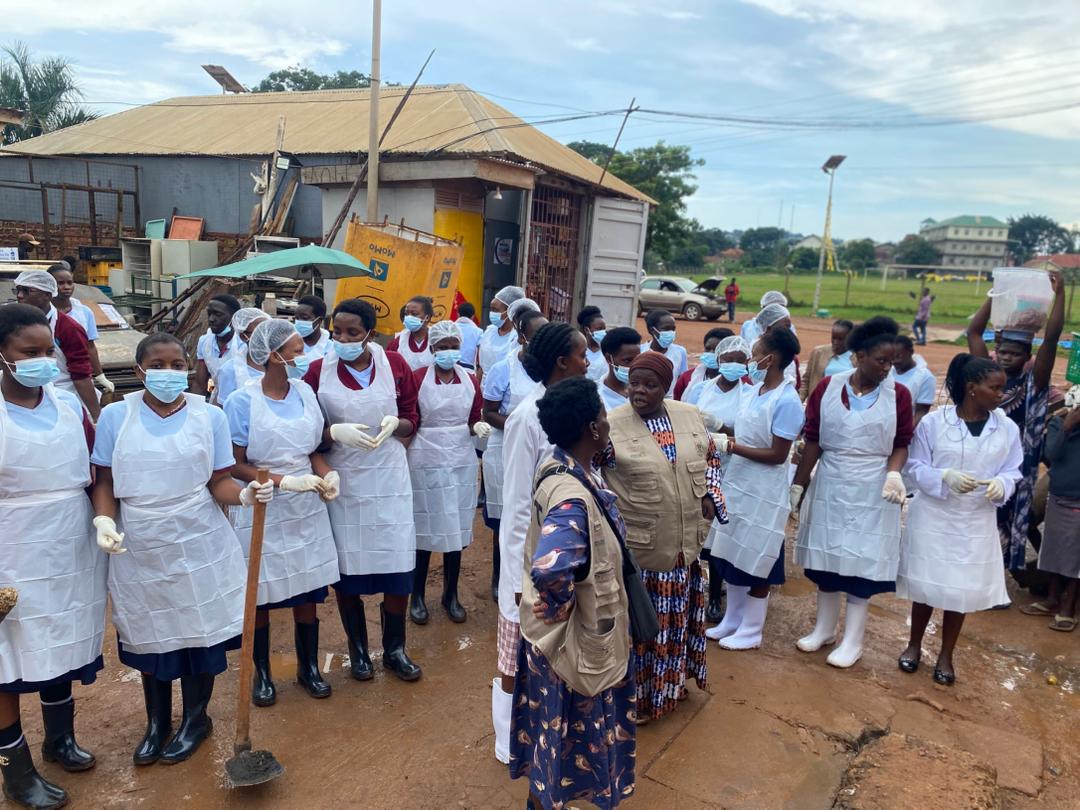
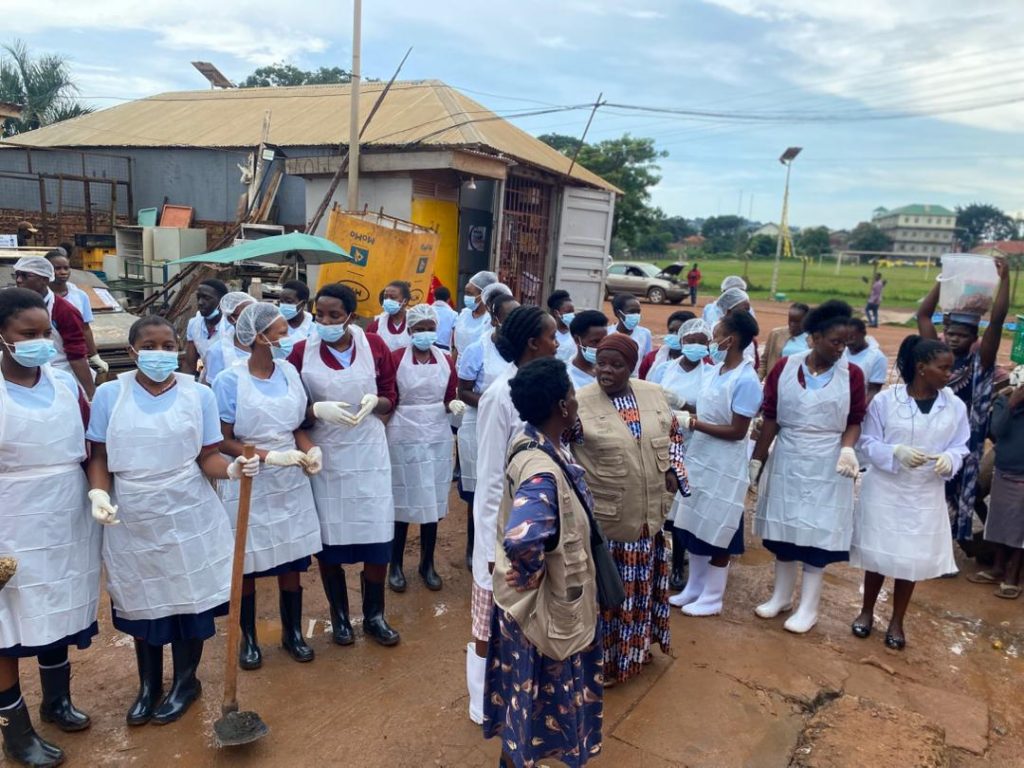
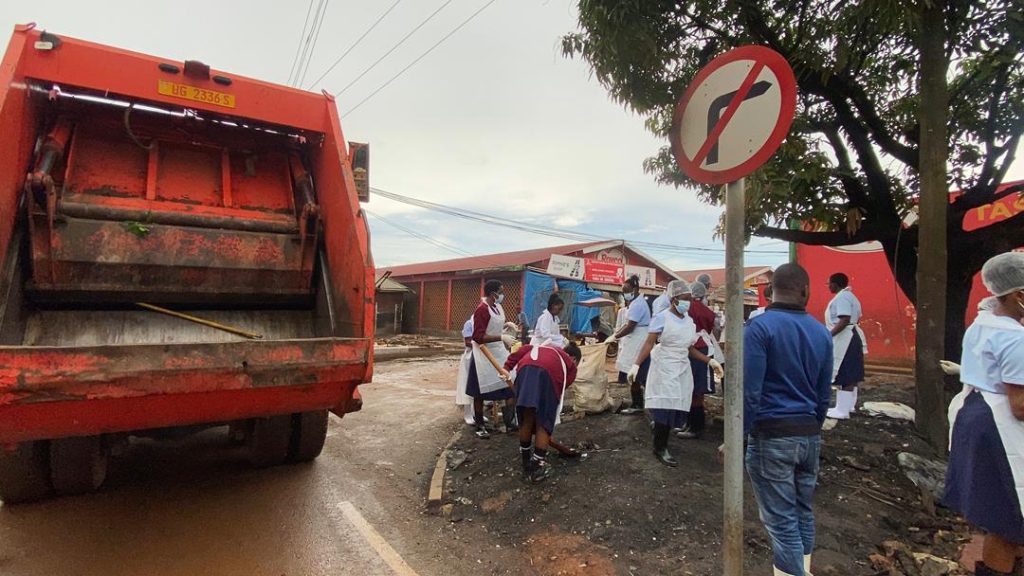
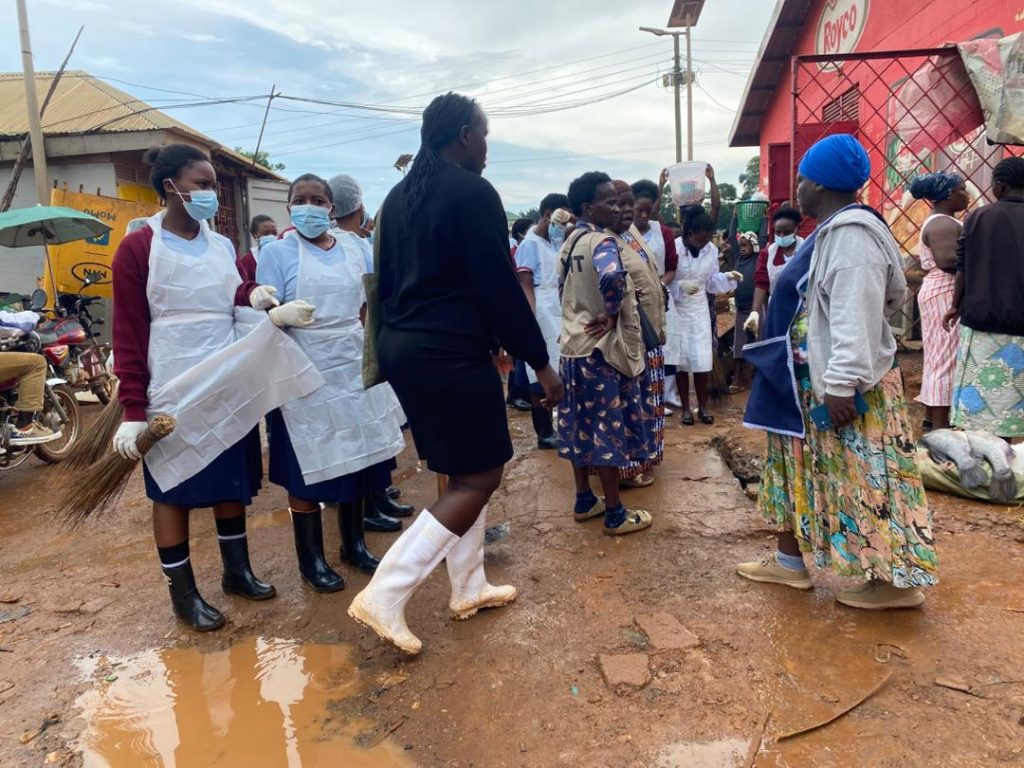
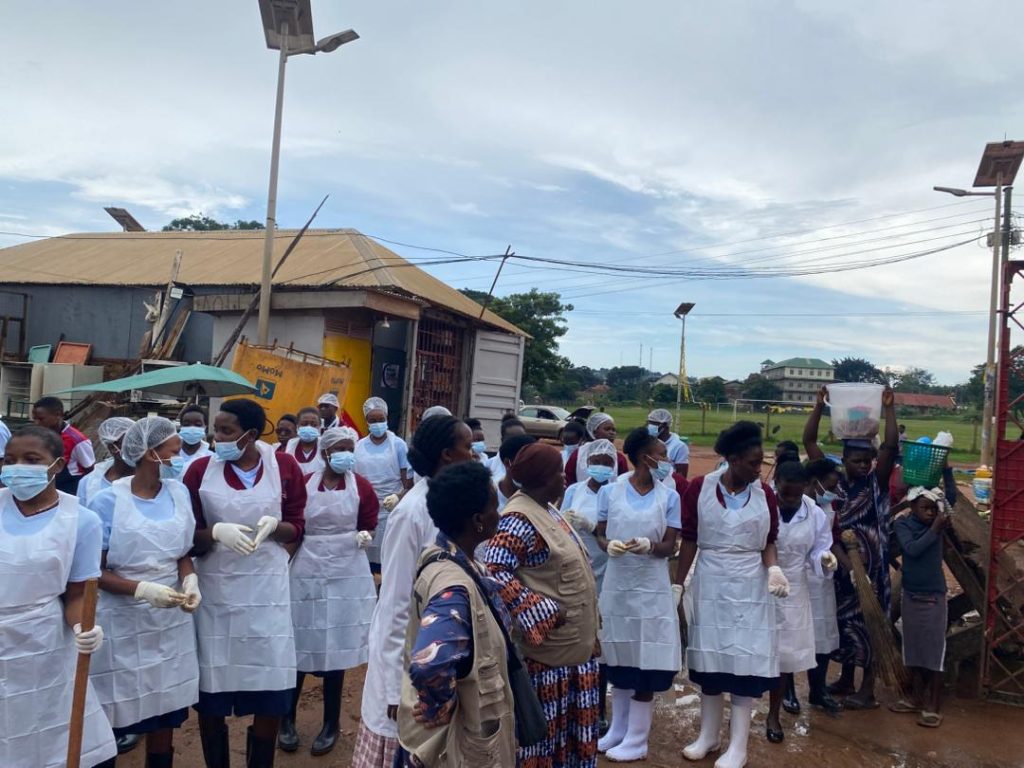
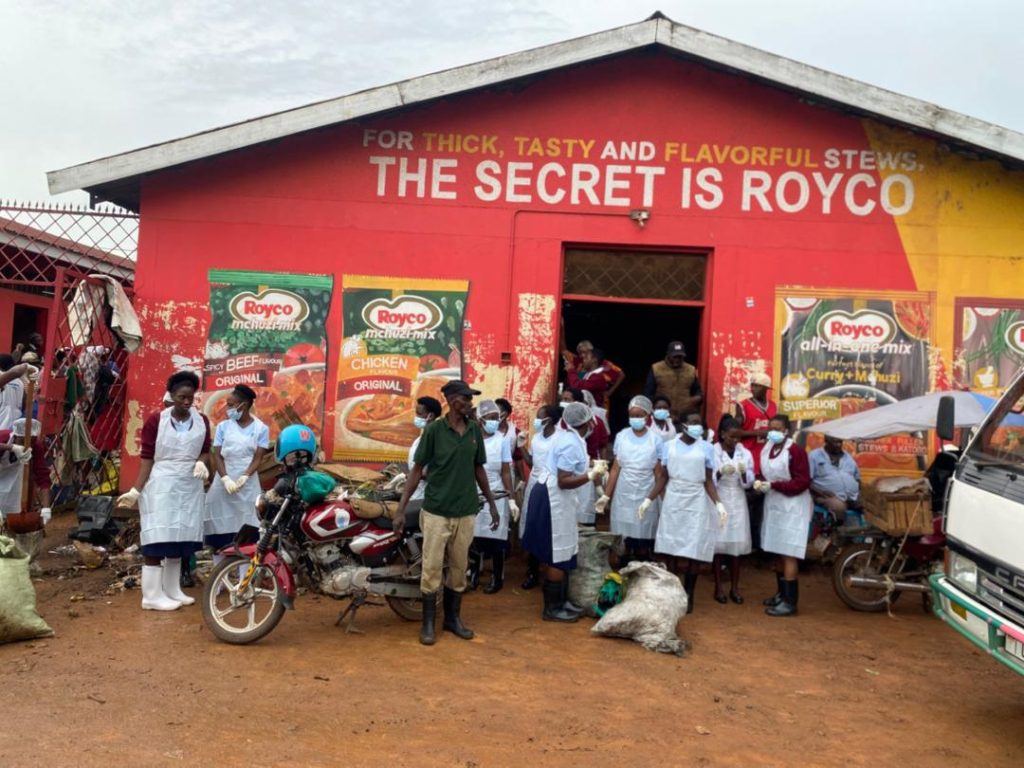
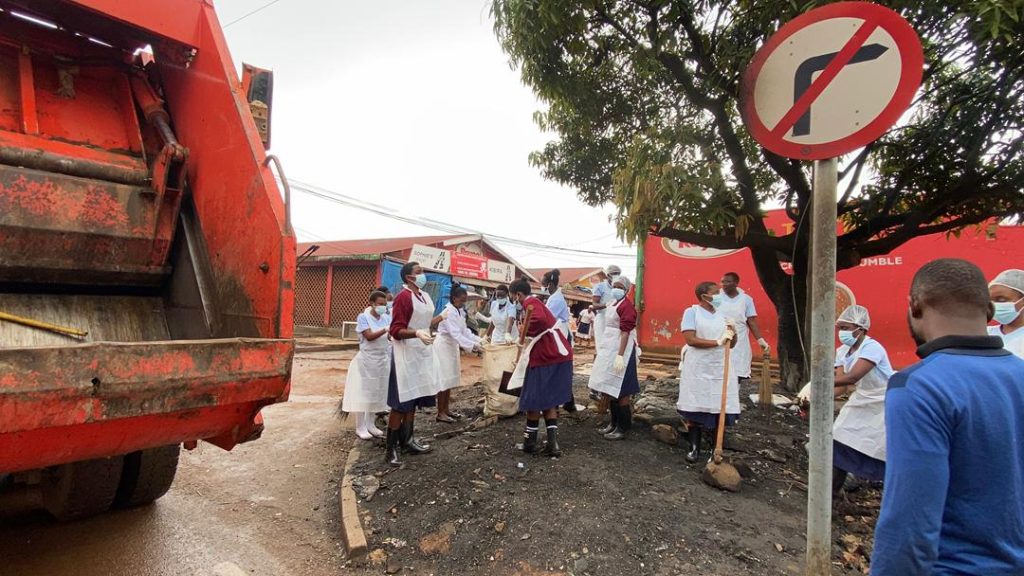
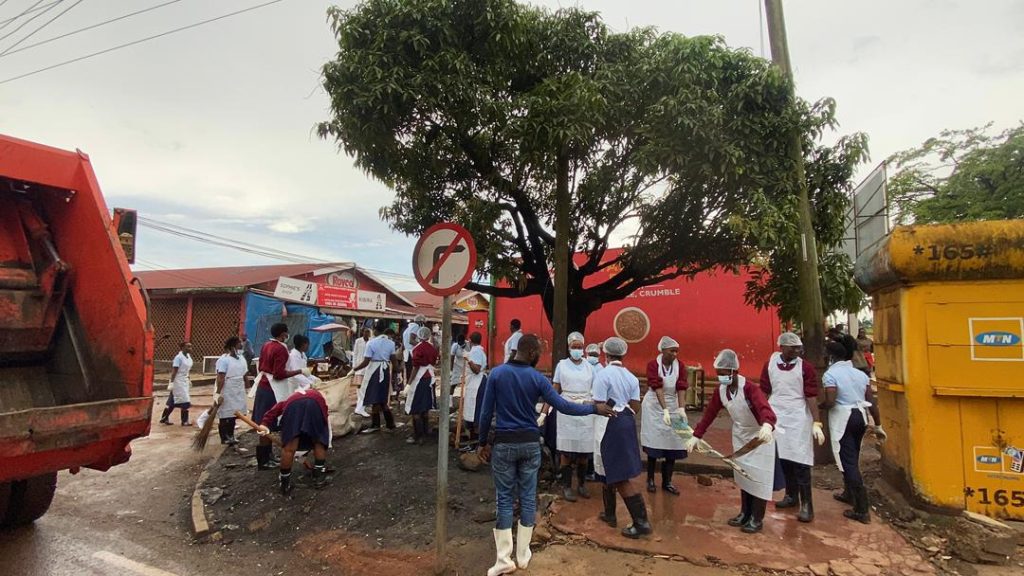
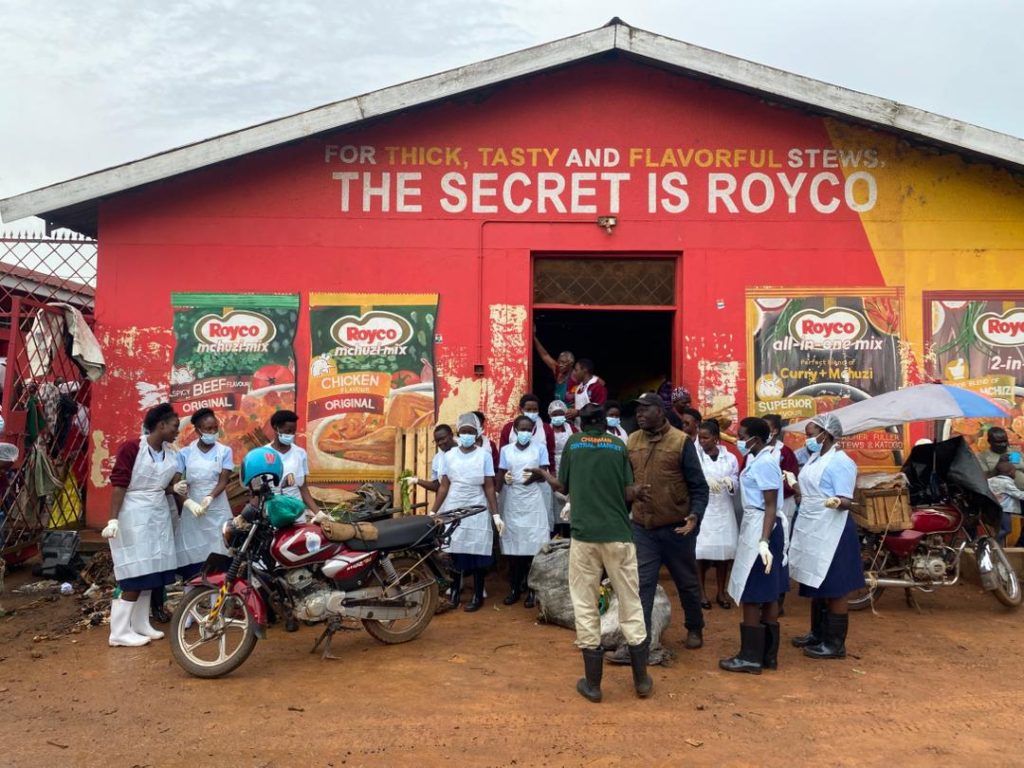
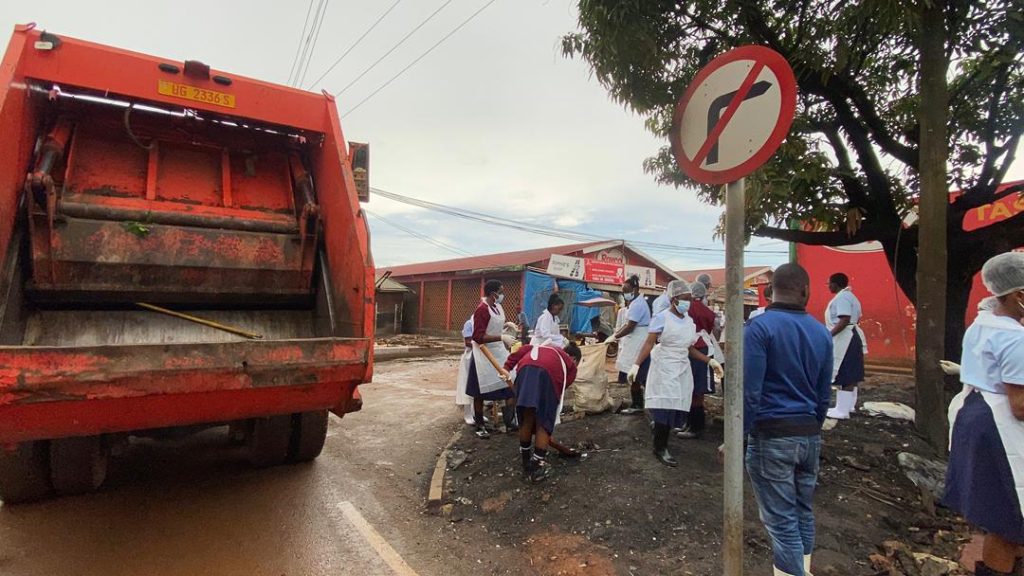
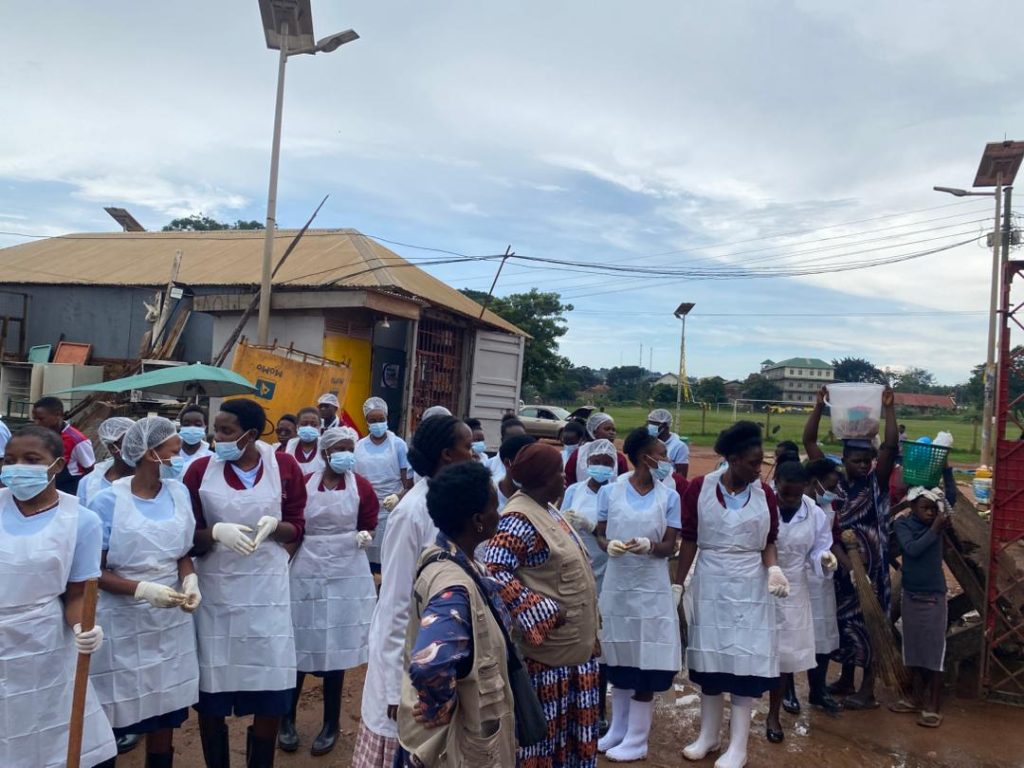
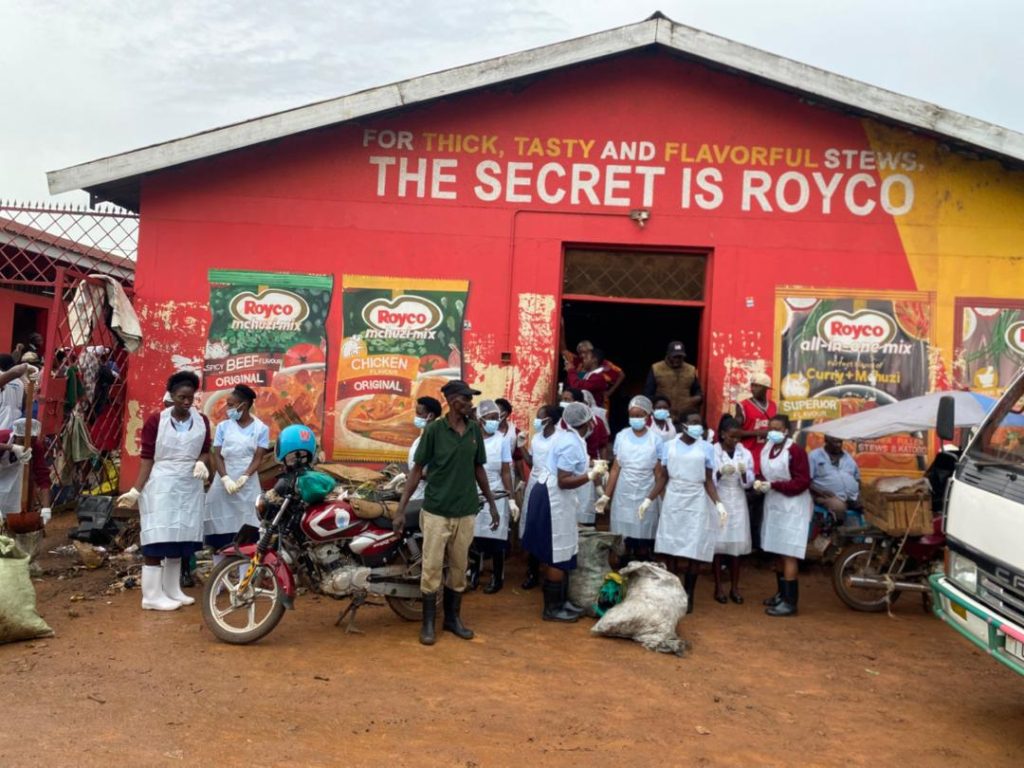
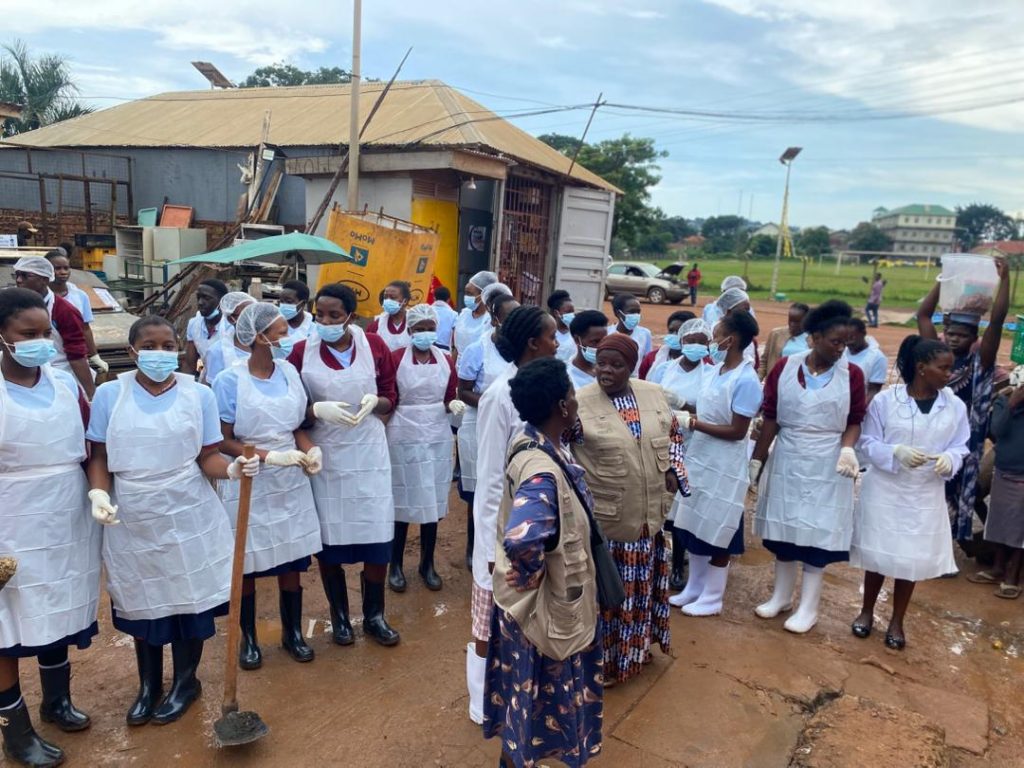
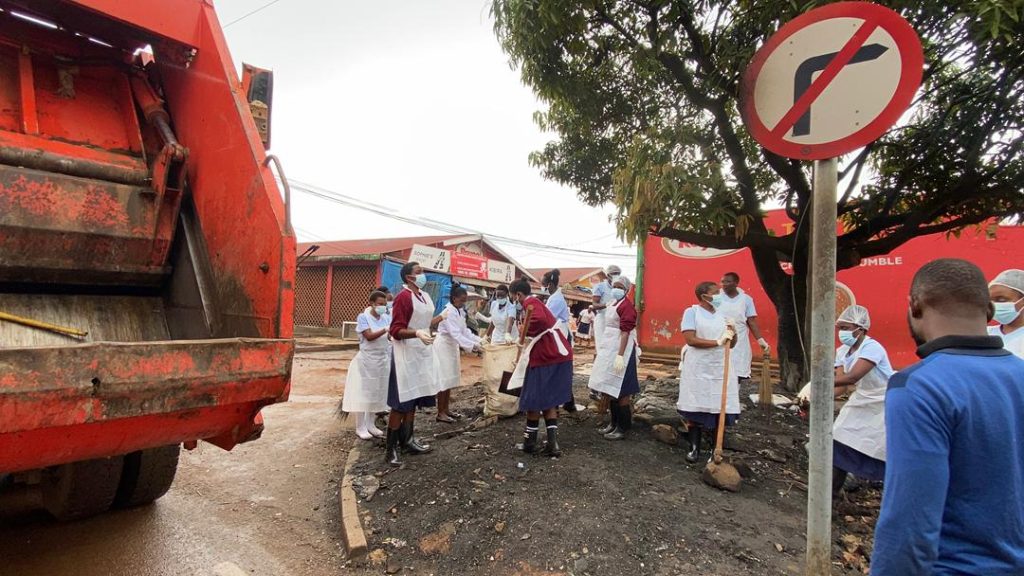
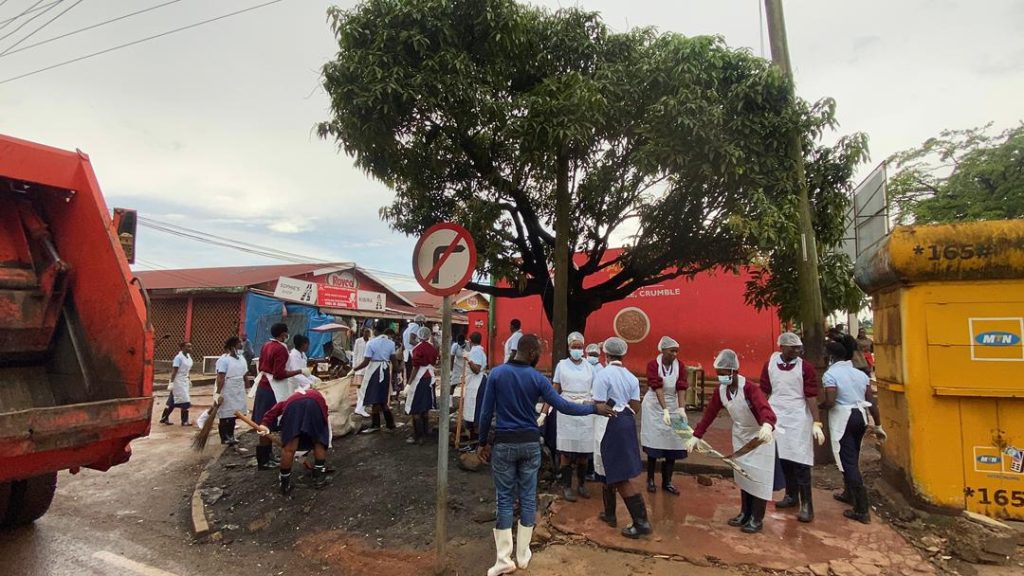
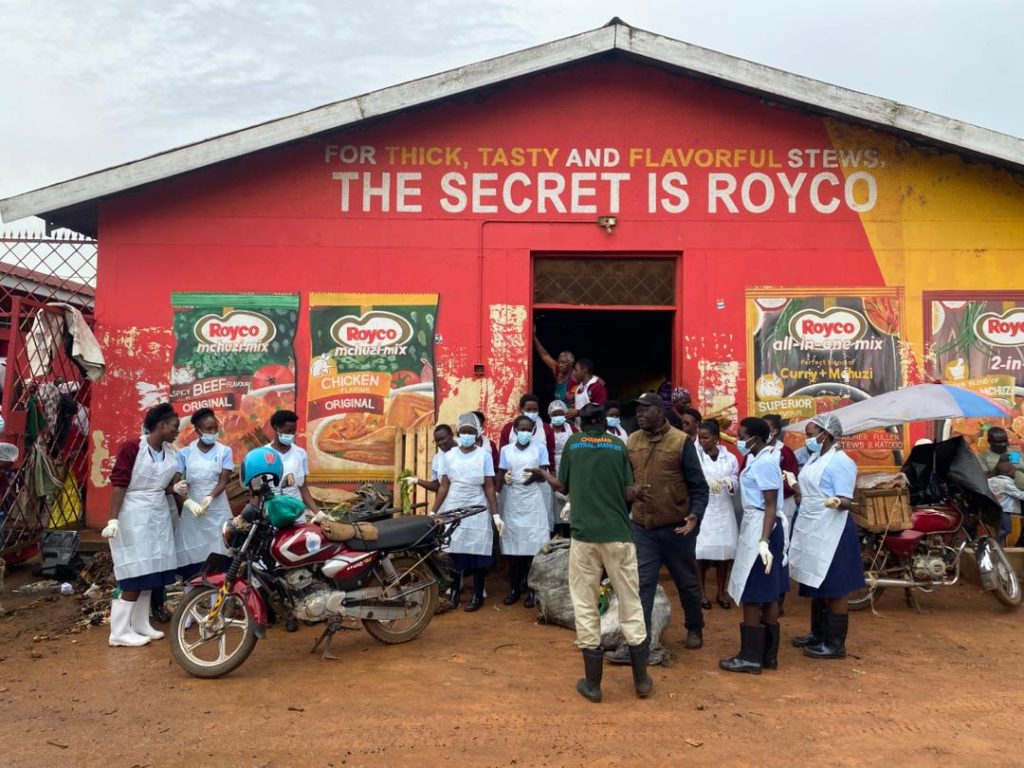
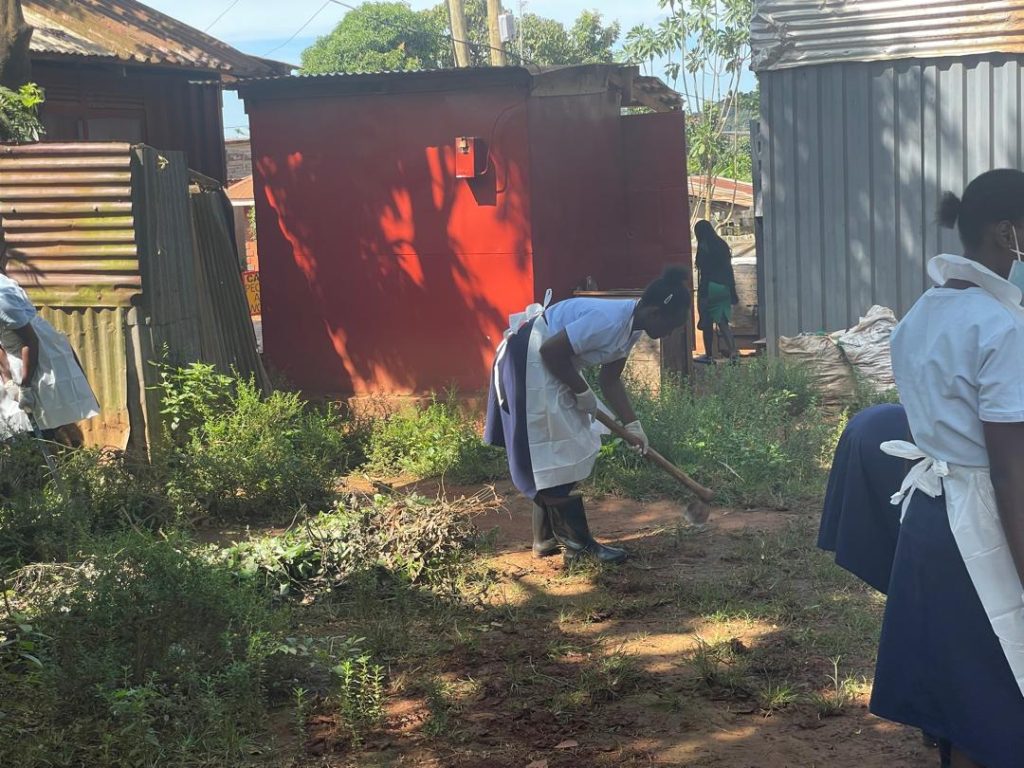
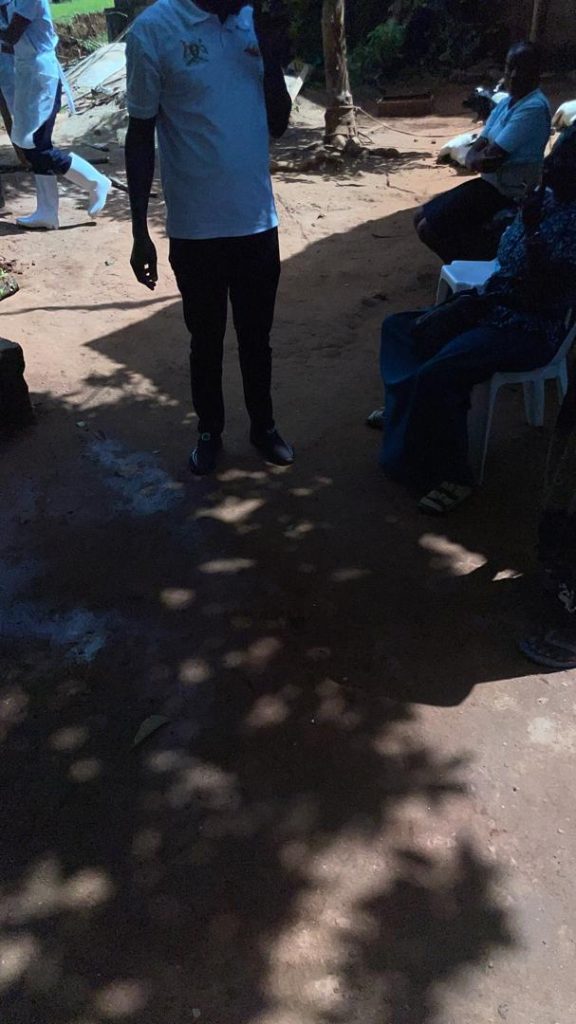
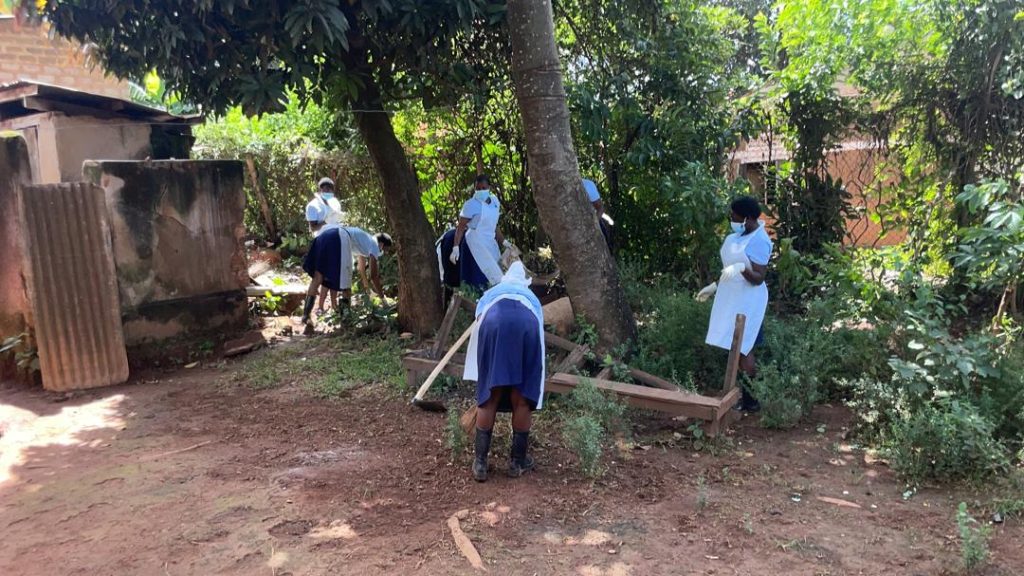
Rather than stopping at observation, the students moved into action. Working hand in hand with community members, they organized sanitation activities including cleaning homes, clearing drainage trenches, and collecting garbage. With support from Entebbe Municipality, a van was provided to transport collected waste, significantly improving the efficiency of the cleanup.
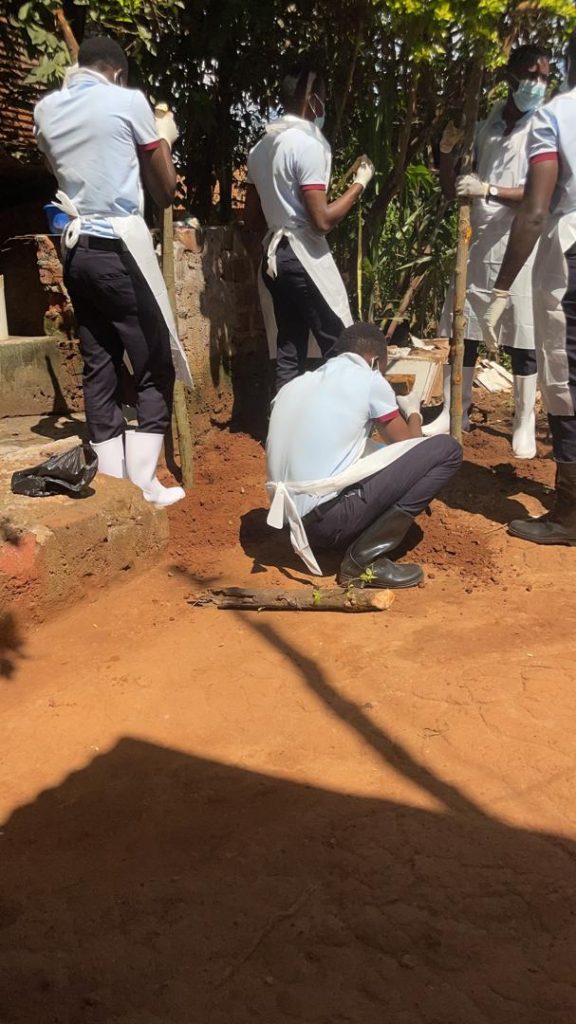
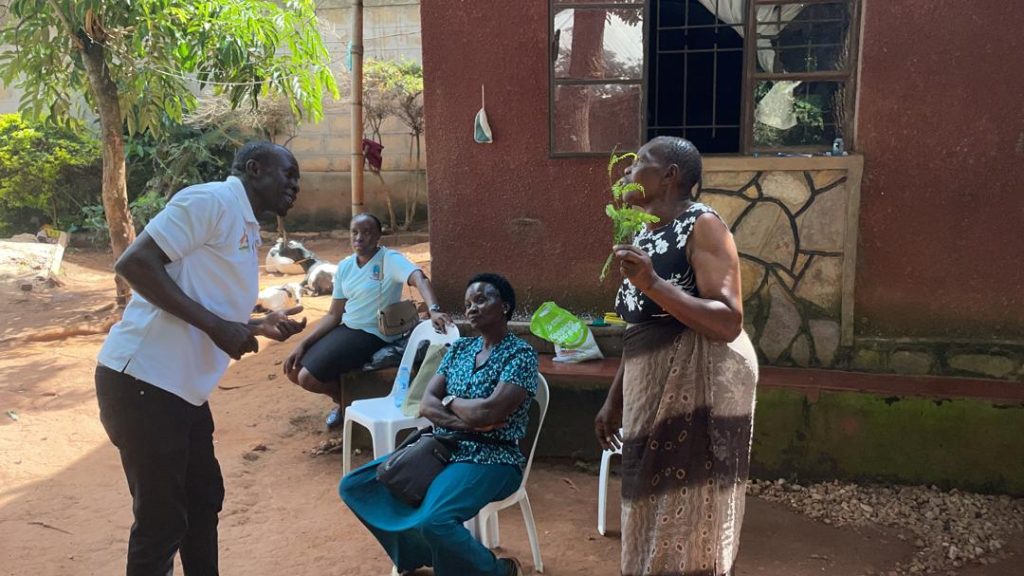
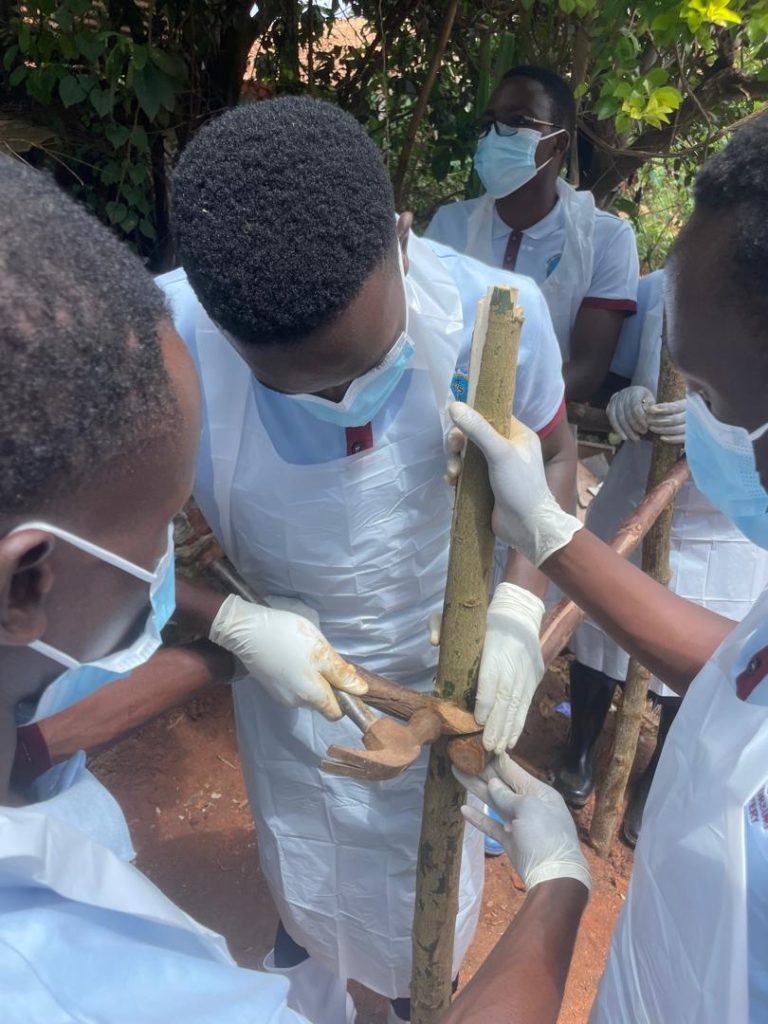
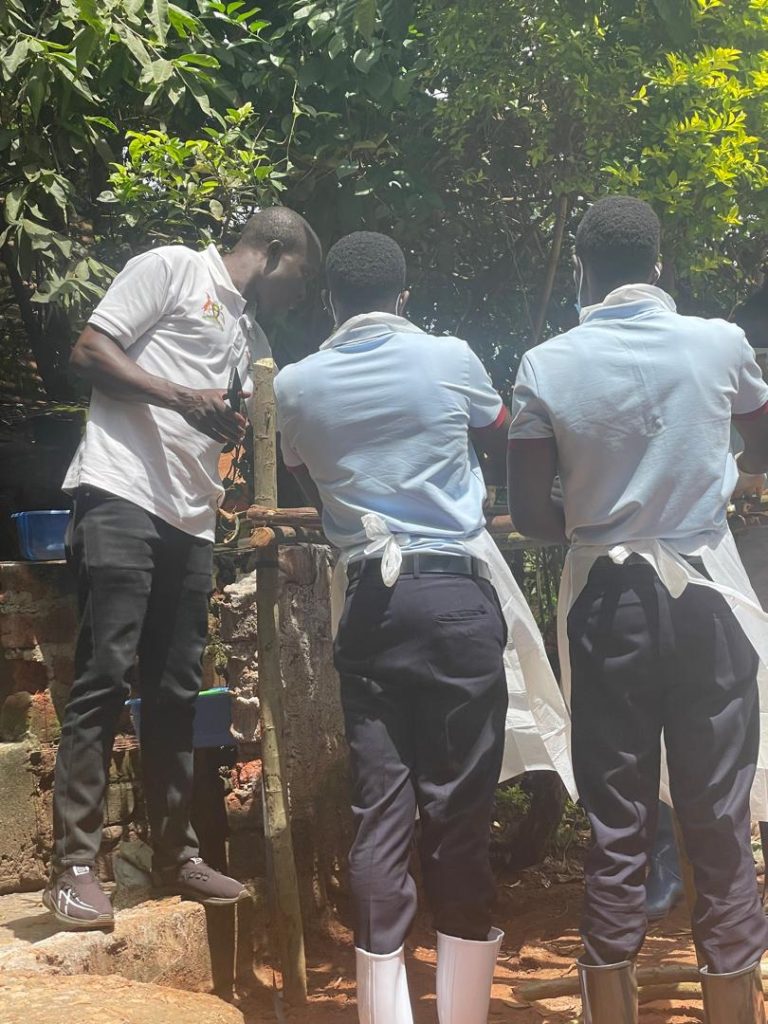
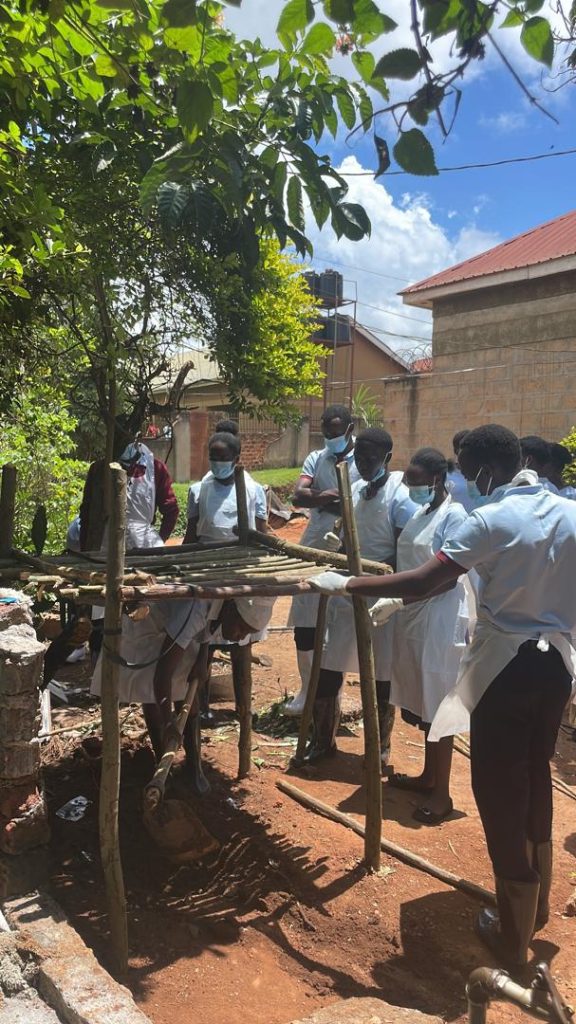
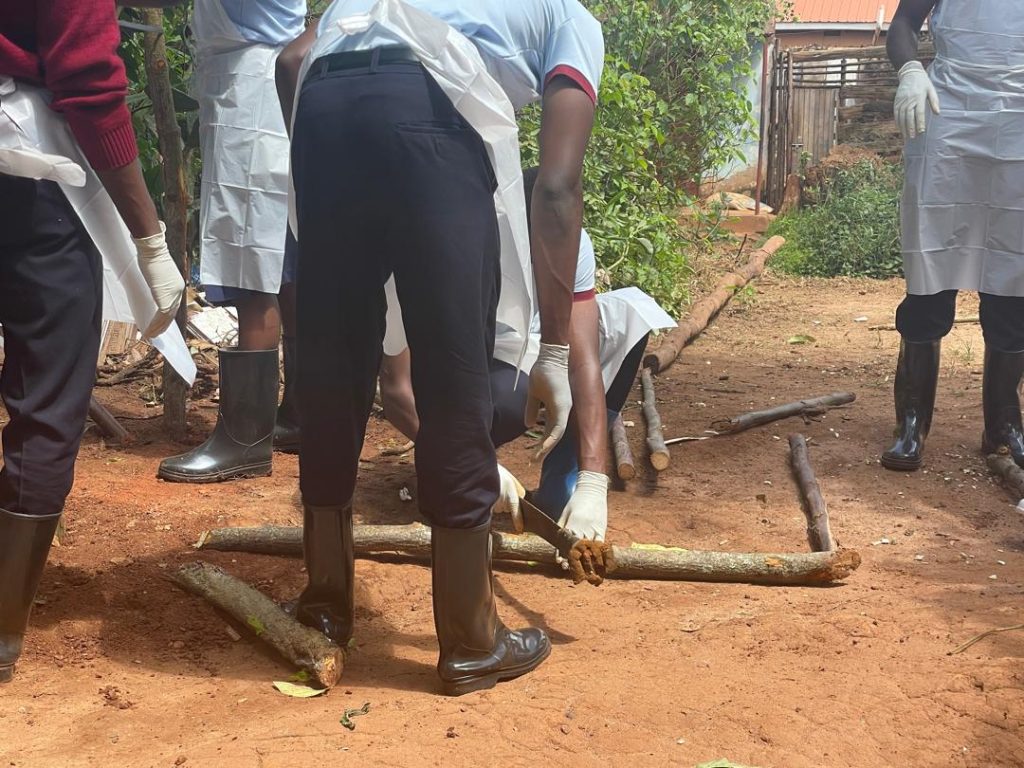
In households, students demonstrated practical hygiene improvements such as proper utensil handling and the construction of drying racks. These simple interventions had immediate impact, with some families adopting better practices right away.
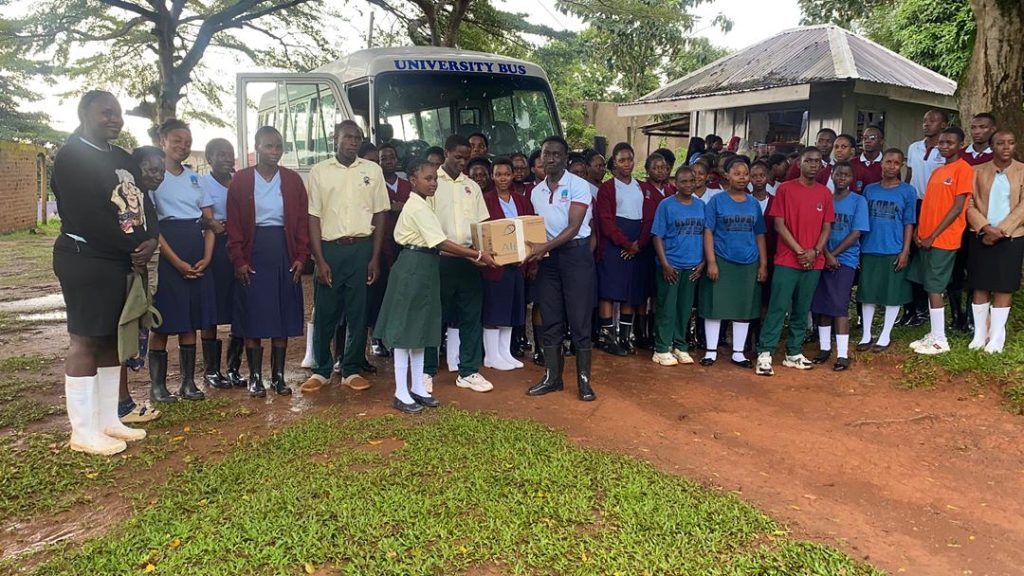
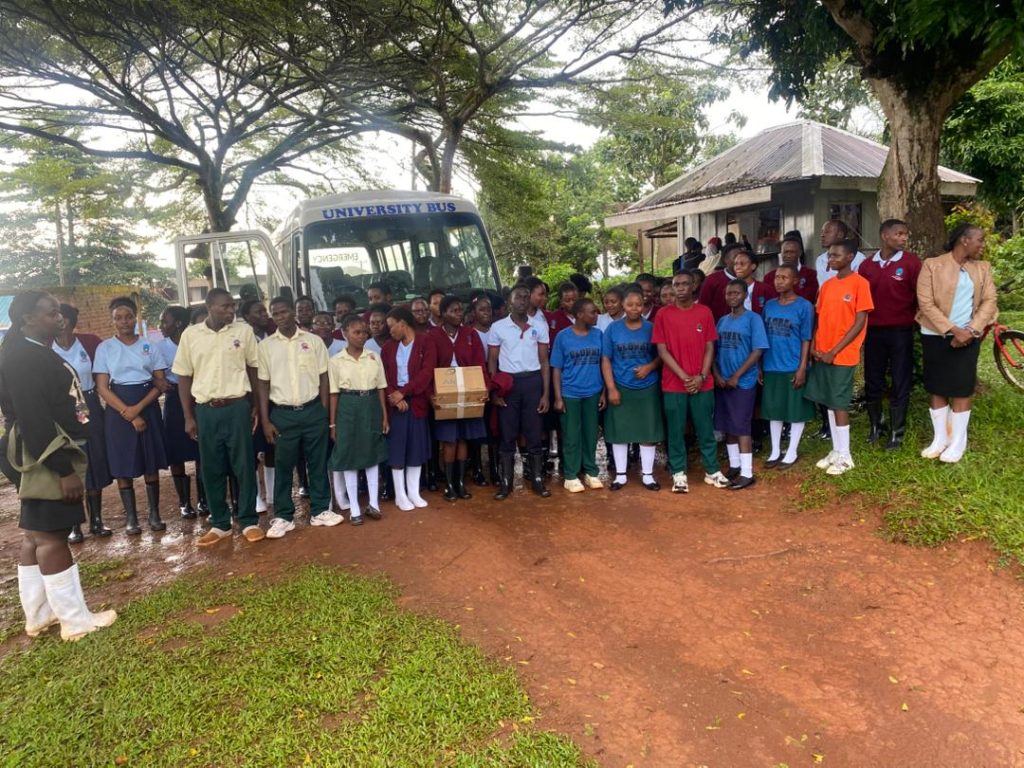
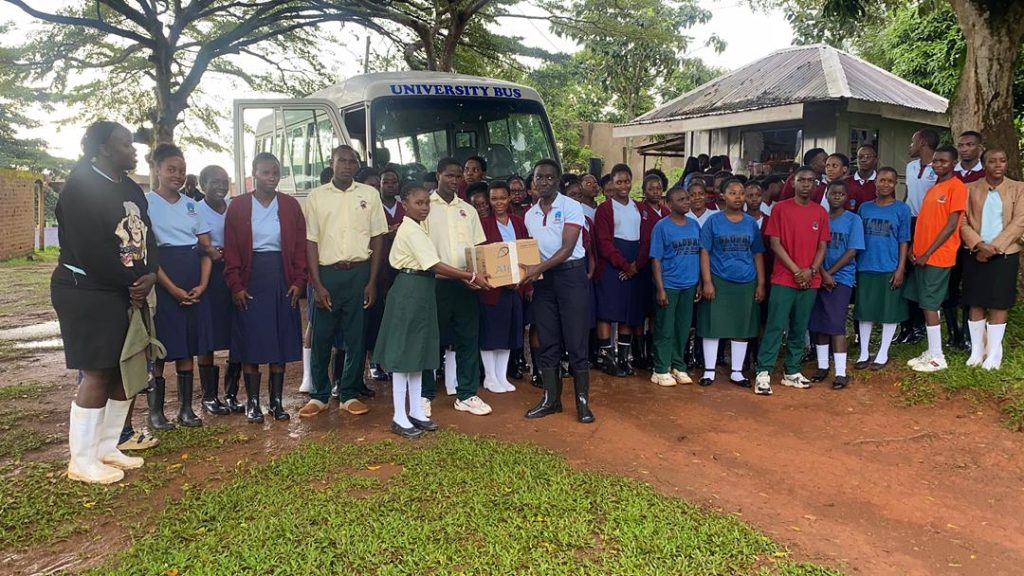
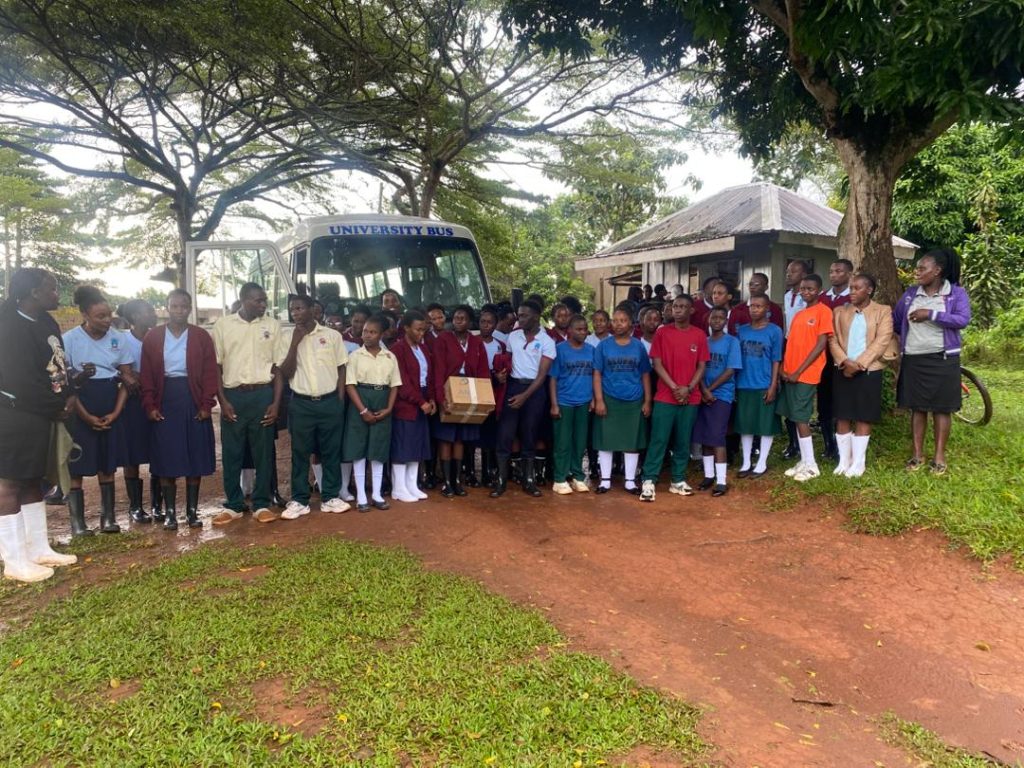
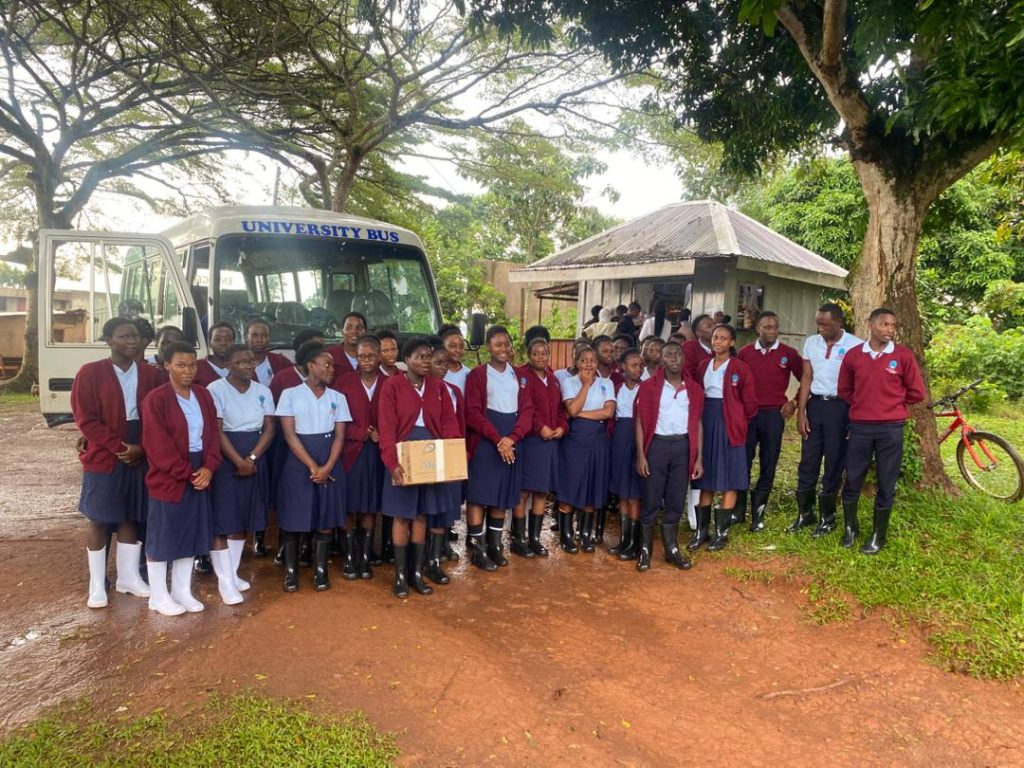
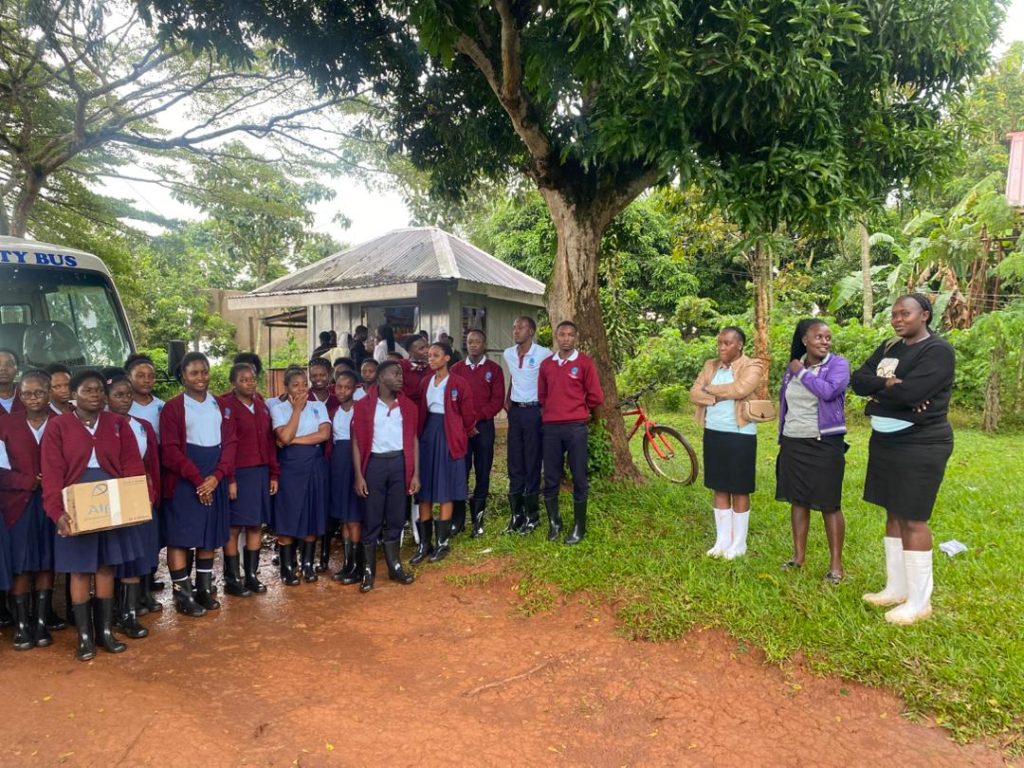
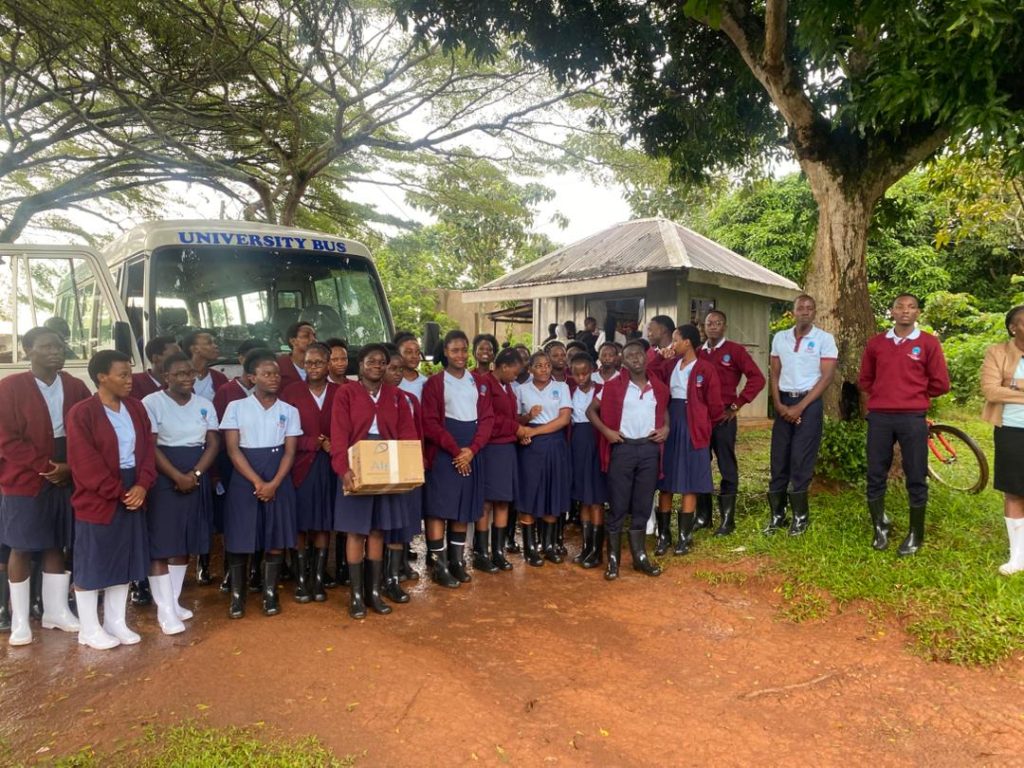
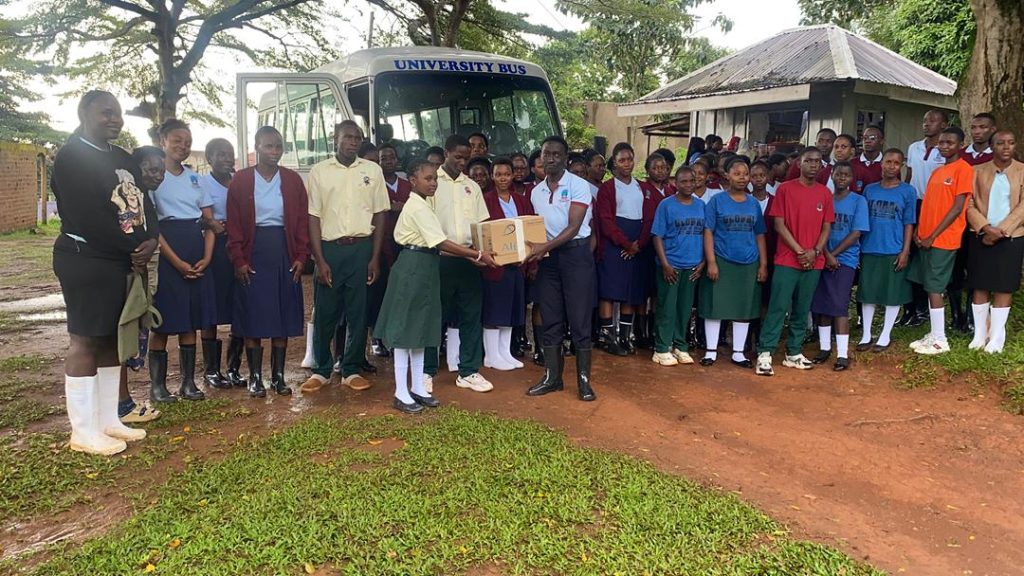
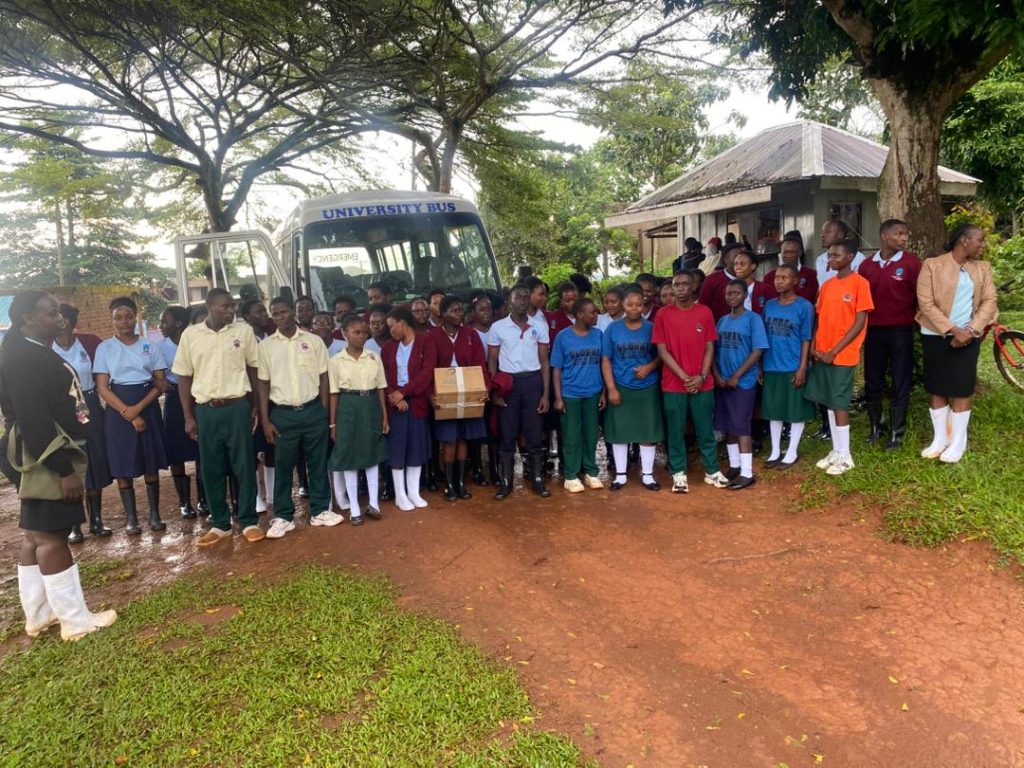
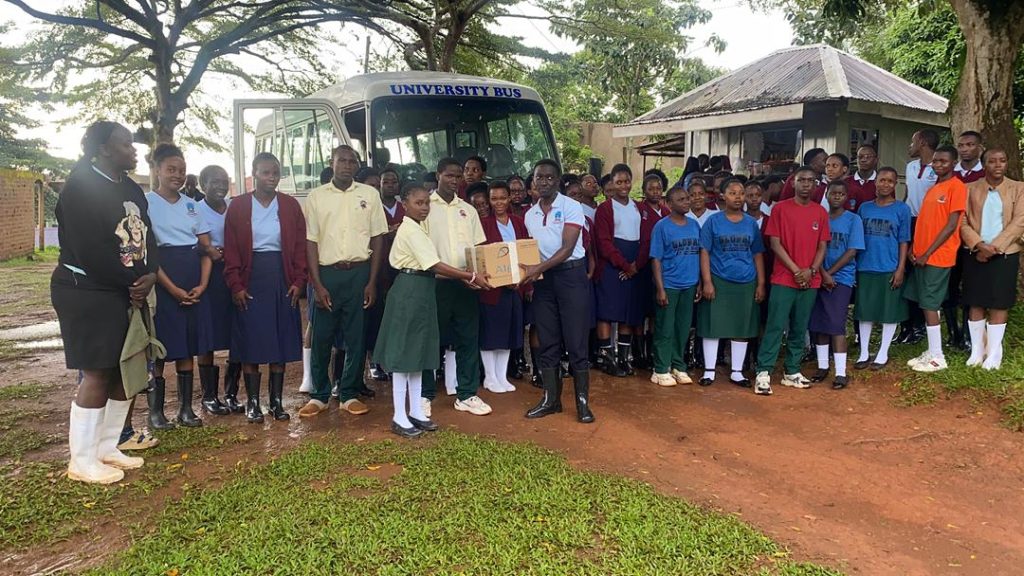
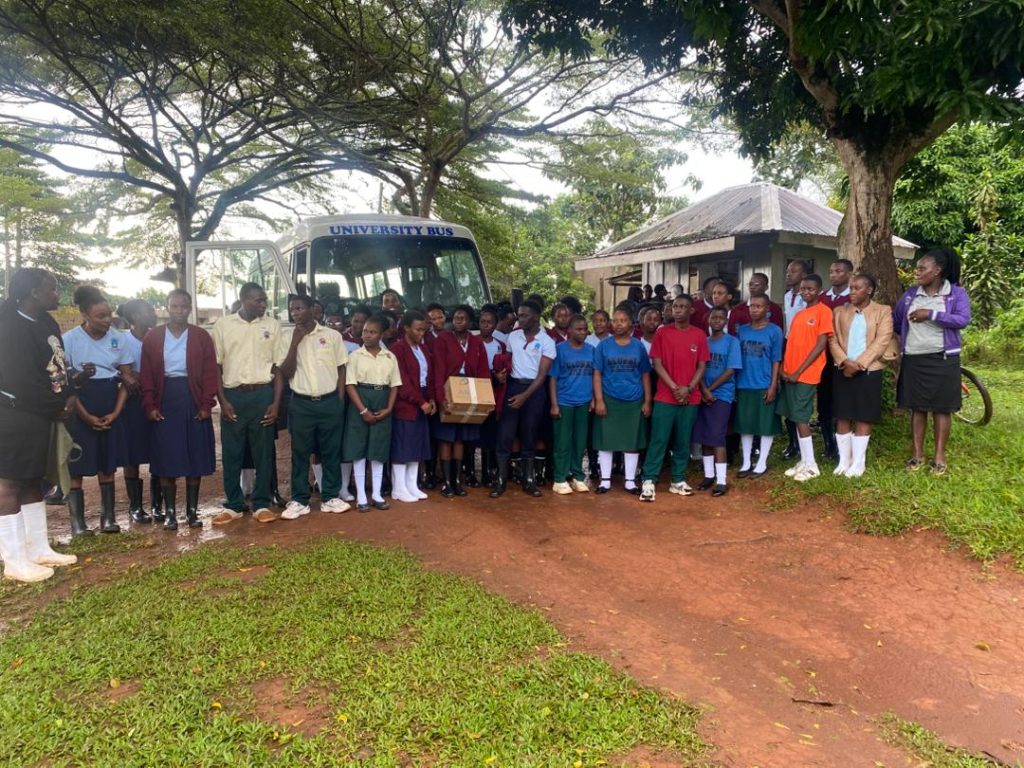
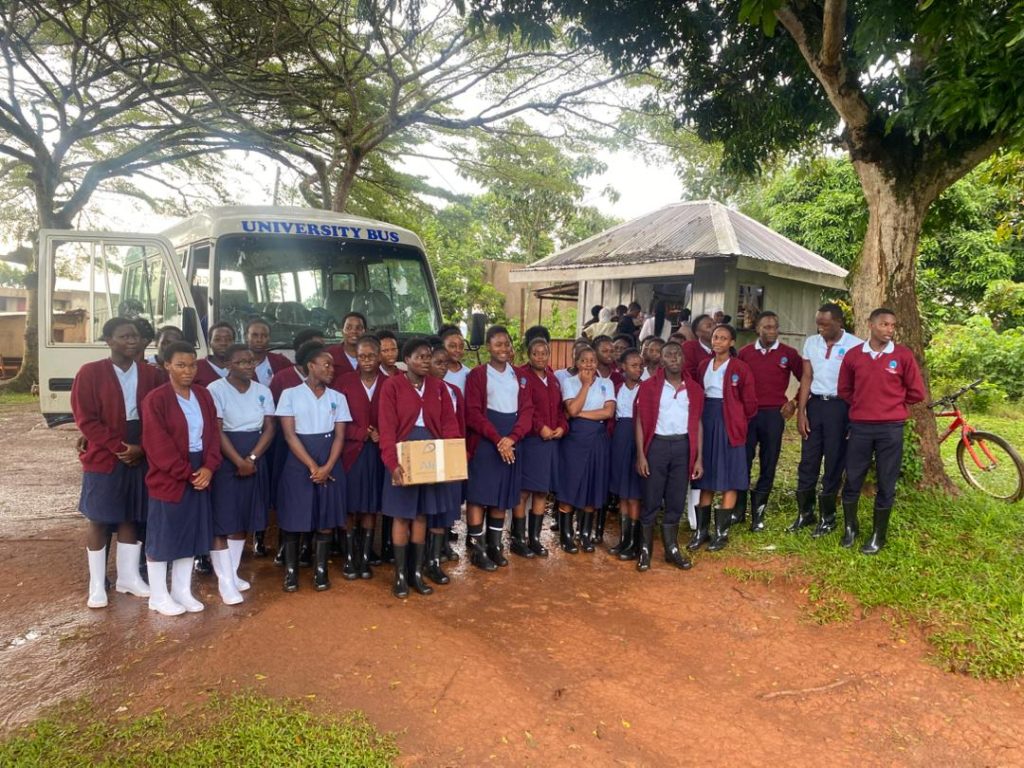
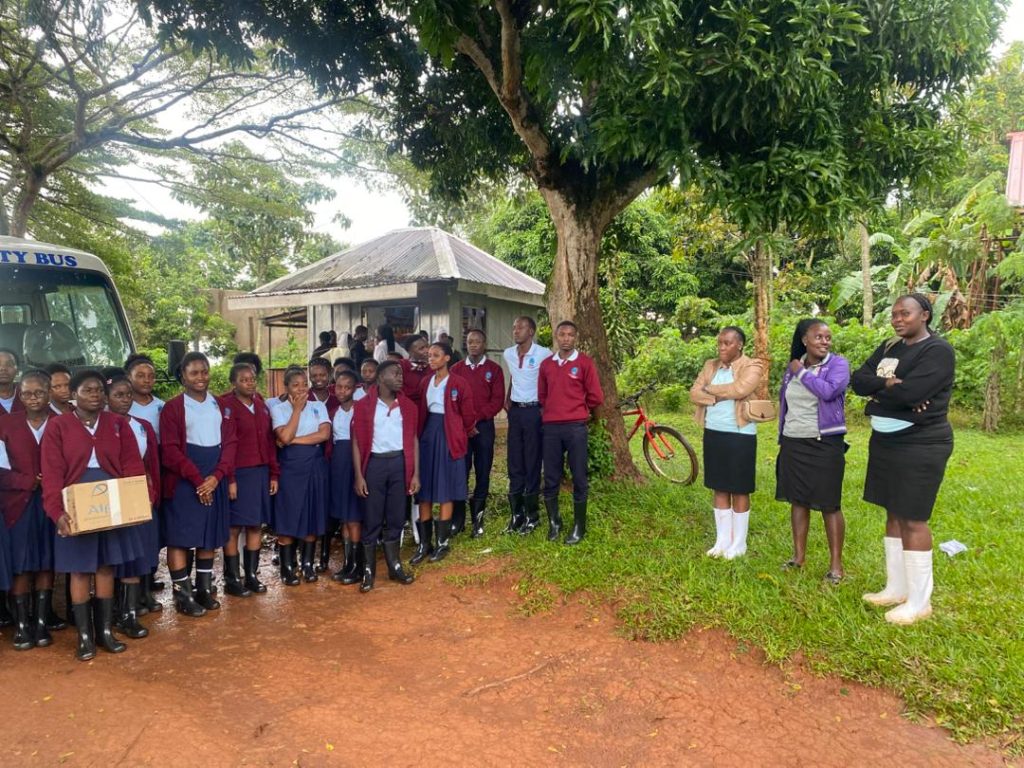
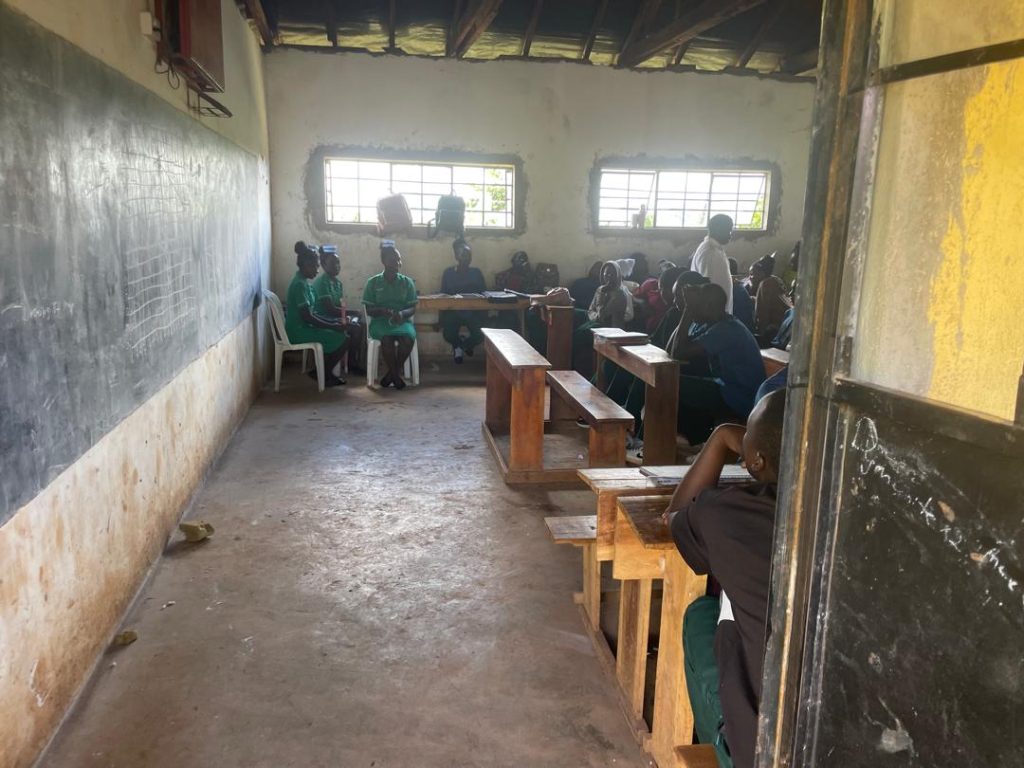
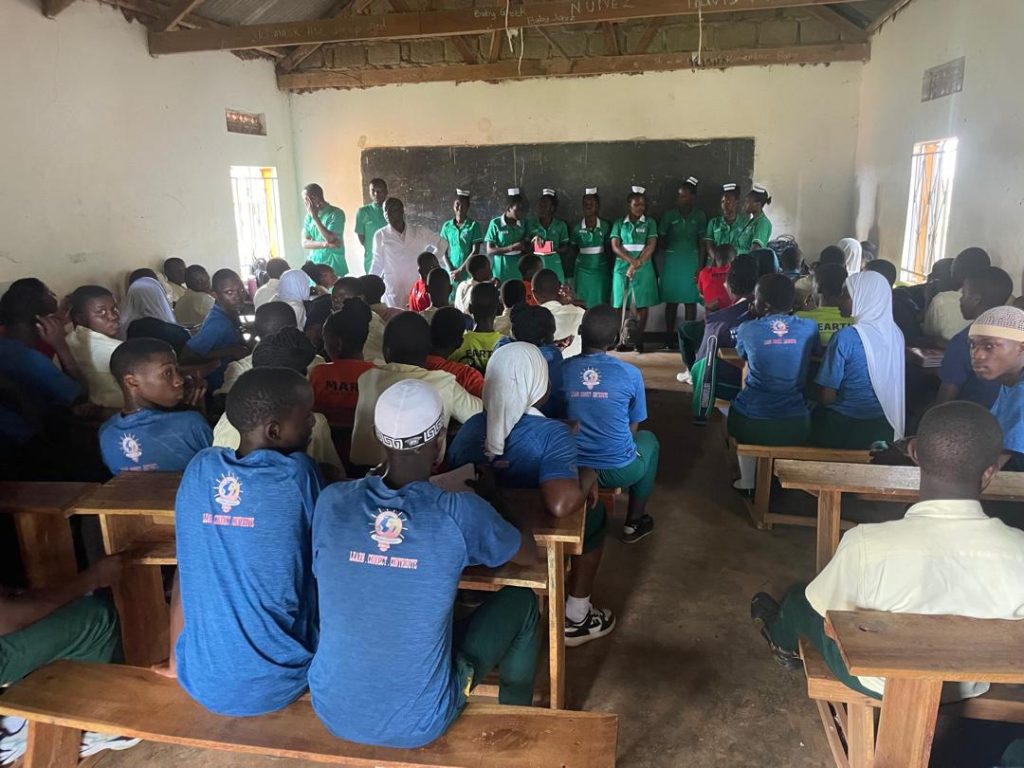
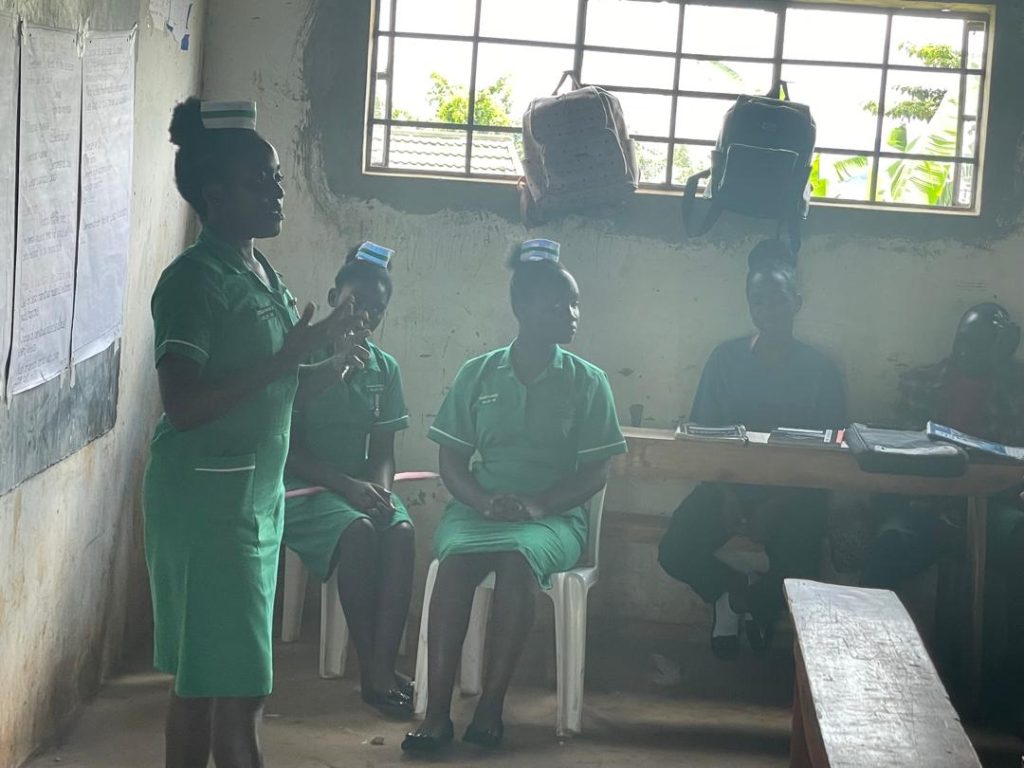
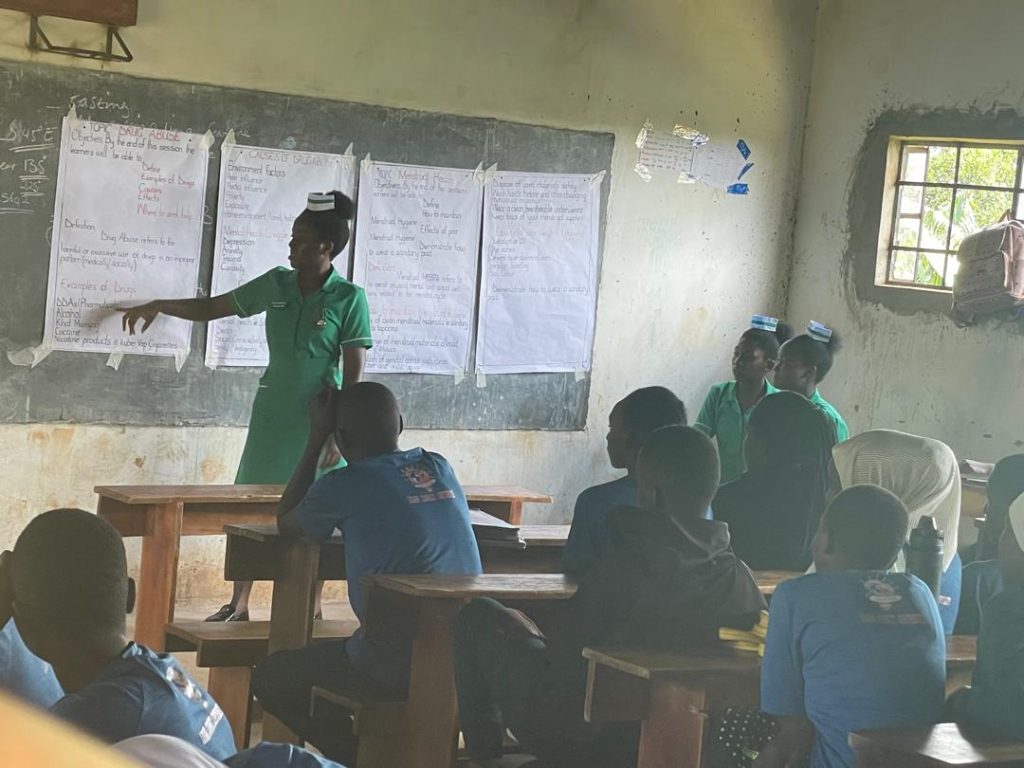
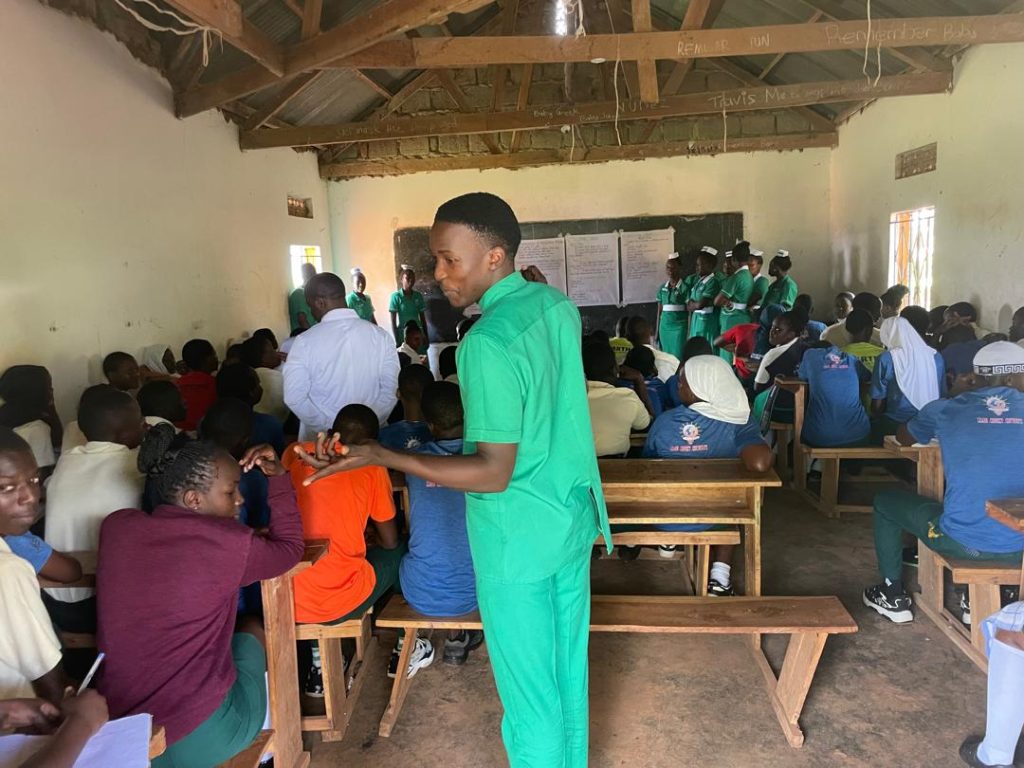
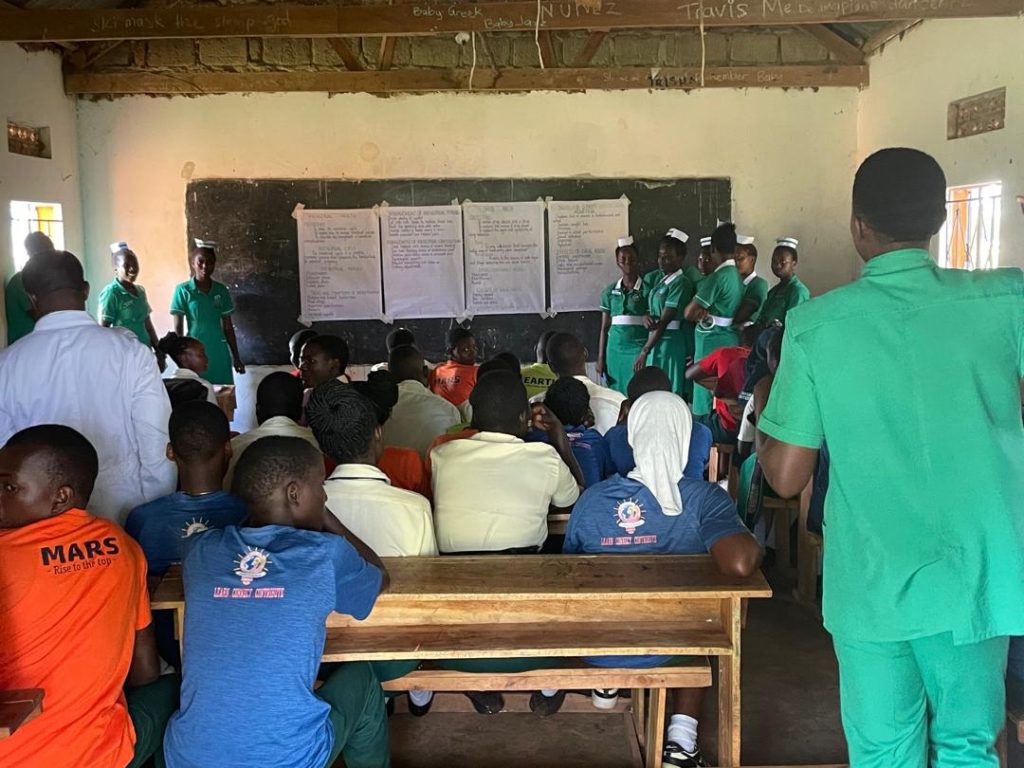
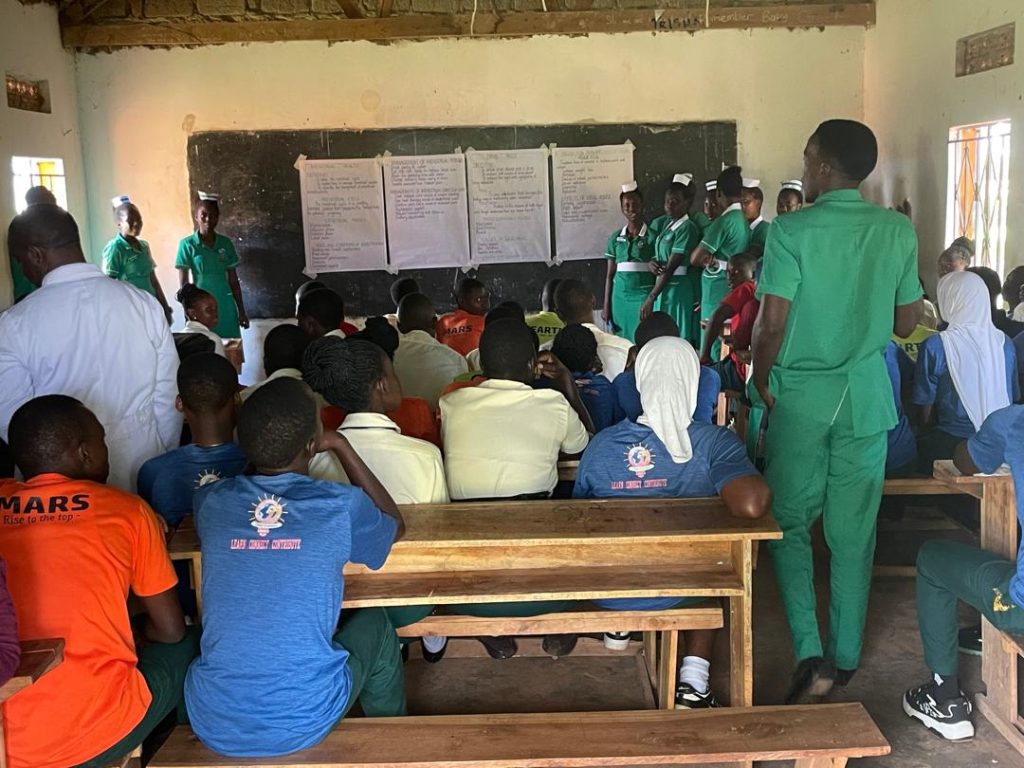
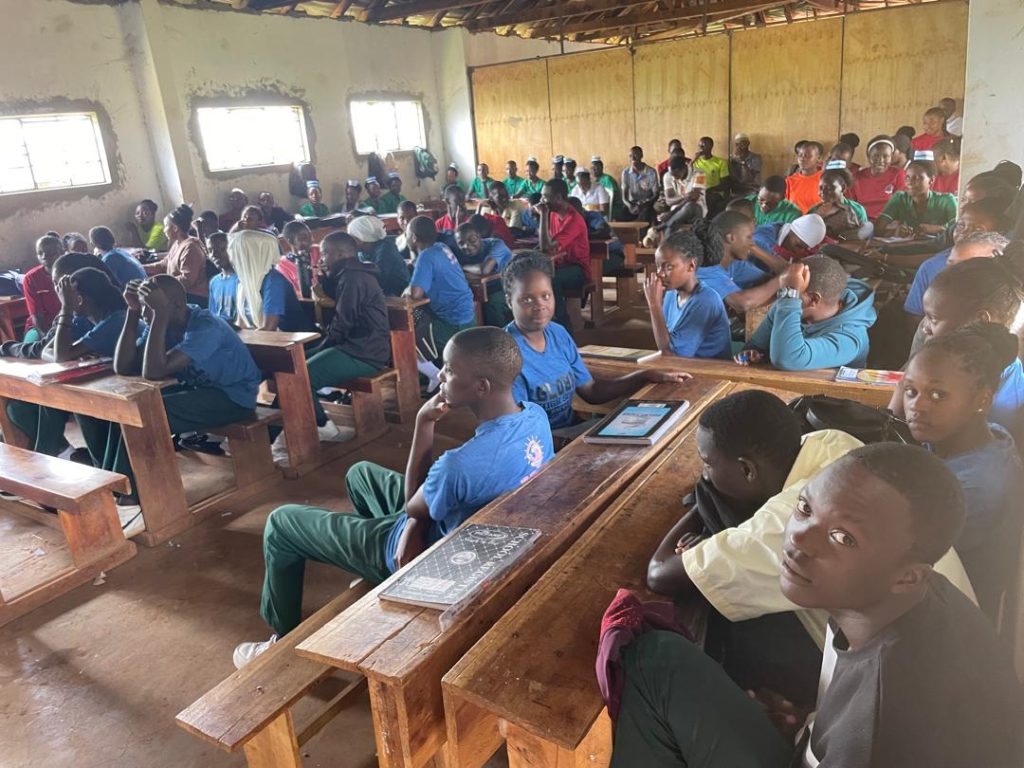
The project also extended to a local school, where students conducted health education sessions on drug abuse and menstrual hygiene. They assessed the school sick bay and provided basic first aid supplies, improving the school’s ability to respond to minor health issues.
At the community health facility, students participated in cleaning the compound and clearing water trenches, contributing to a safer and more hygienic environment for both patients and staff.
Learning Beyond the Classroom
This experience transformed how students understood their profession. They developed essential skills in community entry, health assessment, teamwork, and communication. More importantly, they learned how social, economic, and environmental factors influence health outcomes.
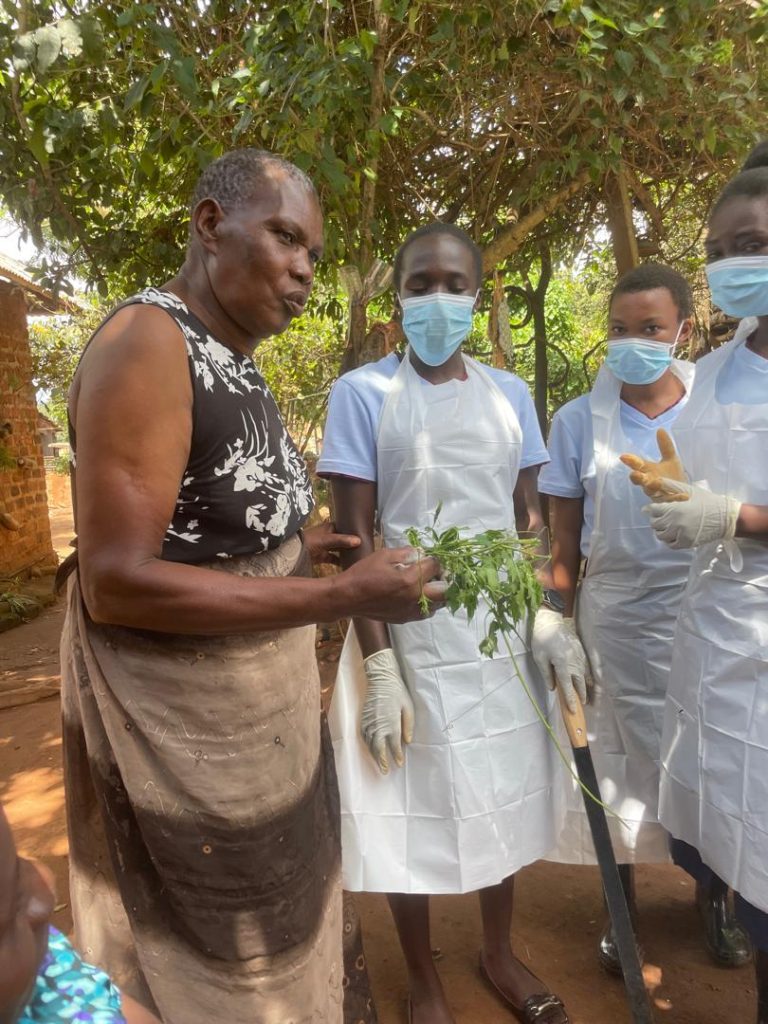
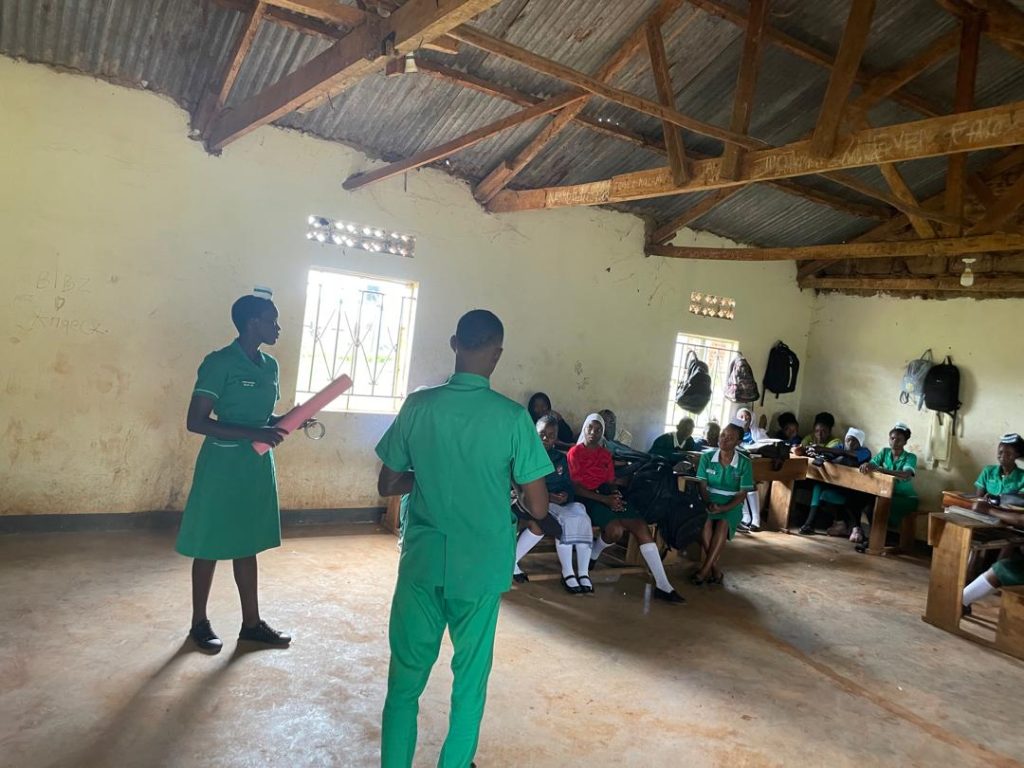
By interacting directly with community members, students practiced delivering health education in simple, relatable language. They learned to listen, adapt, and respond to real needs rather than relying solely on textbook knowledge.
Reflection was a key component of the project. Each student maintained a journal, documenting their observations, experiences, and lessons learned. This process encouraged critical thinking and helped them internalize their role as compassionate and responsible health practitioners.
Real Impact in the Community
The project resulted in visible and meaningful changes. Drainage systems that had been blocked were cleared, allowing water to flow more freely and reducing stagnant pools. Public spaces became cleaner, and awareness around waste management began to improve.
Households that received demonstrations adopted better hygiene practices, including the use of drying racks. In schools, improved access to first aid supplies strengthened basic health support for learners, while health education sessions increased awareness on key issues affecting young people.
Equally important was the sense of ownership developed within the community. Residents who participated in the cleaning activities became more conscious of their role in maintaining a healthy environment.
Strengthening Institutional Identity
Within the university, the project reinforced a culture of experiential learning and community engagement. Students became more motivated and actively involved in their studies, while staff embraced more practical and reflective teaching approaches.
The initiative also strengthened partnerships between the university, local government, and community health structures. These collaborations are essential for sustaining future service-learning activities and ensuring long-term impact.
Ensuring Safety and Sustainability
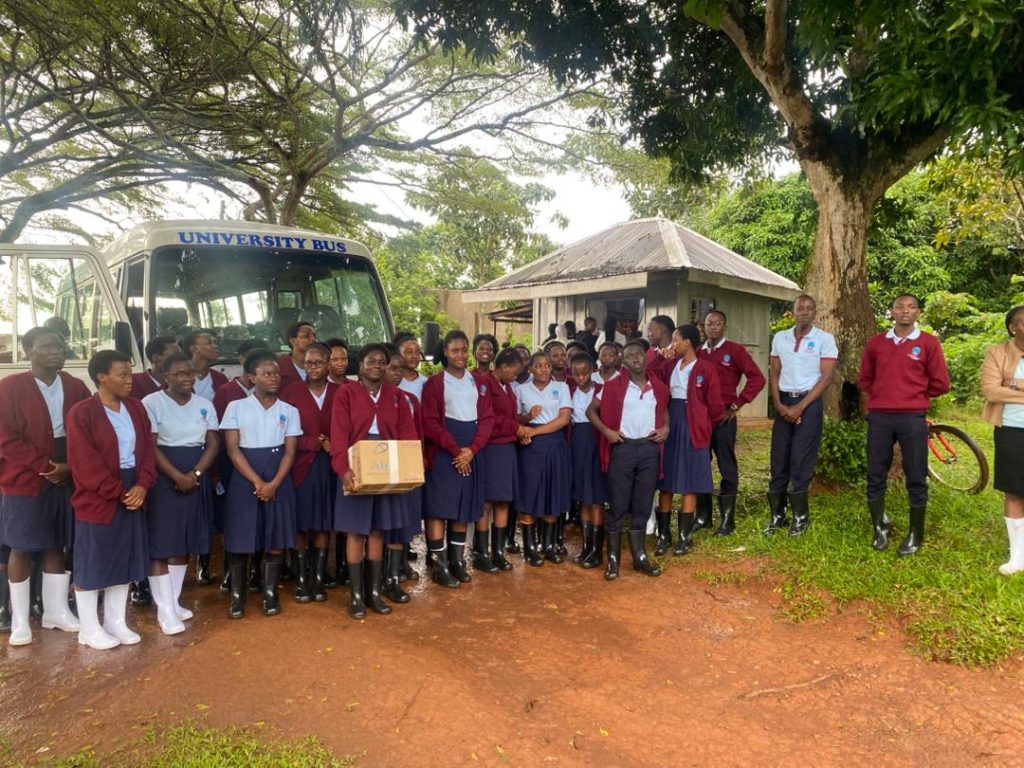
Safety remained a priority throughout the project. Students and staff were equipped with gloves, masks, gumboots, and first aid kits, while handwashing facilities were provided to maintain hygiene during field activities.
Looking ahead, sustainability is a key focus. The university plans to invest in reusable equipment, strengthen partnerships with local authorities, and empower community structures such as Village Health Teams to continue health education efforts. By leaving behind tools, knowledge, and systems, the project ensures that its impact extends beyond the duration of student involvement.
A Model for Transformative Education
“Serving to Learn” is more than a project it is a model of education that connects knowledge with action. It reflects the University of Kisubi’s mission to provide holistic, evidence-based education for social transformation, grounded in values of service, responsibility, and professionalism.
Through this initiative, students are not only trained to become healthcare providers but also agents of change individuals who understand communities, respect their realities, and work collaboratively to improve lives.
As UniK continues to expand its service-learning programs, it sets a strong example of how universities can play a meaningful role in addressing real societal needs while shaping competent and compassionate professionals.














Pingback: University of Kisubi Nursing Students Earn €1,000 Honorary Mention for Community Health Service-Learning Project – University of Kisubi Service Learning